Gloxinia blooms as gorgeously as hibiscus flowers
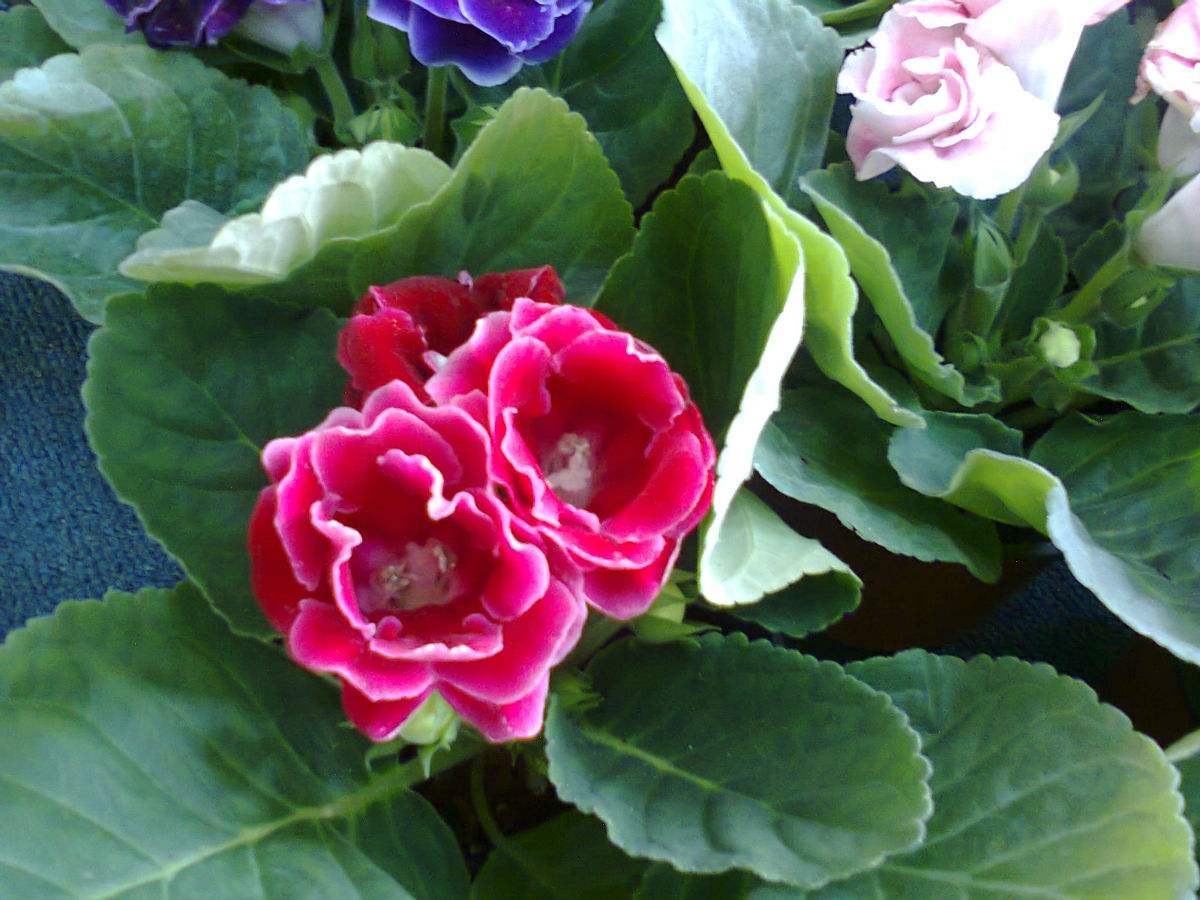
Gloxinia, also called "falling snow mud", is native to Brazil. It likes warmth and humidity, and loves fertilizer. The flowers are large and brightly colored, and the flowering period is long. A single gloxinia can produce dozens of flowers, blooming from April to November, with the flowering period lasting for several months. It is an ideal potted flower for holiday decoration and for decorating interiors and windowsills. Placed on conference tables, in display windows, or in tea rooms, it adds even more to the festive atmosphere.
Gloxinia flower
Gloxinia is a perennial herb, with a plant height of 15-25 cm, and the entire plant is densely covered with white fuzz. The flowers are terminal or axillary, in colors such as pink, red, purple-blue, white, and multi-color, large and beautiful. The fruit is a capsule, and the seeds mature 1 month after flowering; the seeds are brown, tiny, and numerous.
Gloxinia flower
Direct sunlight should be avoided. During the growing period, it needs high temperatures, humidity, and a semi-shaded environment. During the winter dormancy period, keep it dry; if the humidity is high and the temperature is low, the tubers are prone to rot.
Cultivation management:
Biennial tubers go dormant in winter, and the tubers sprout in early March, so repot promptly. When planting, the top bud of the tuber should emerge above the soil surface, and fertilizer and water management should be strengthened. When fertilizing, do not contaminate the leaf surface, so as to avoid damaging the leaves. During the flowering period, the temperature should not be too high, which can extend the flowering period. If the flowers fade and seeds are not to be kept, cut off the flower stems to encourage continued blooming and promote tuber growth. After the leaves wither, the plant enters dormancy; store the tubers in a dry place to overwinter. Tubers that are too old should be culled and replaced.
Gloxinia flower
Propagation:
Seed sowing and cuttings are commonly used for propagation. For seed propagation, both spring and autumn are suitable; germination occurs 10 days after sowing, and flowering occurs 6 months later. For cutting propagation, softwood cuttings root in 15 days, and leaf cuttings root after 10 days; generally cuttings are taken from June to July, and flowering occurs from June to July the following year.
Pests and diseases:
During the seedling stage, damping-off of young seedlings is likely to occur, so pay attention to disinfecting the soil for sowing and transplanting. During the growing period, inchworms often bite and eat the young buds, and carbofuran can be applied in the pot for control.
Gloxinia flower
Landscape:
Gloxinia has lush green leaves and vividly colorful flowers, with many horticultural varieties, including blue, white, red, purple, double-flowered, and bicolor varieties. It blooms twice a year, in spring and autumn, and is an ideal potted flower for holiday decoration and for decorating interiors and windowsills.