Monstera deliciosa photo gallery: enjoy the unique beauty of its split leaves that resemble turtle shells
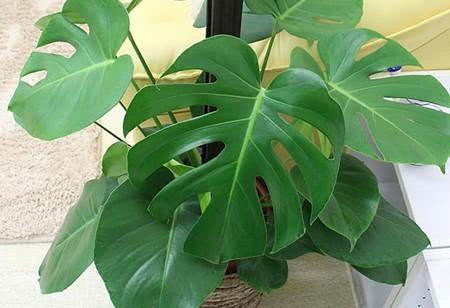
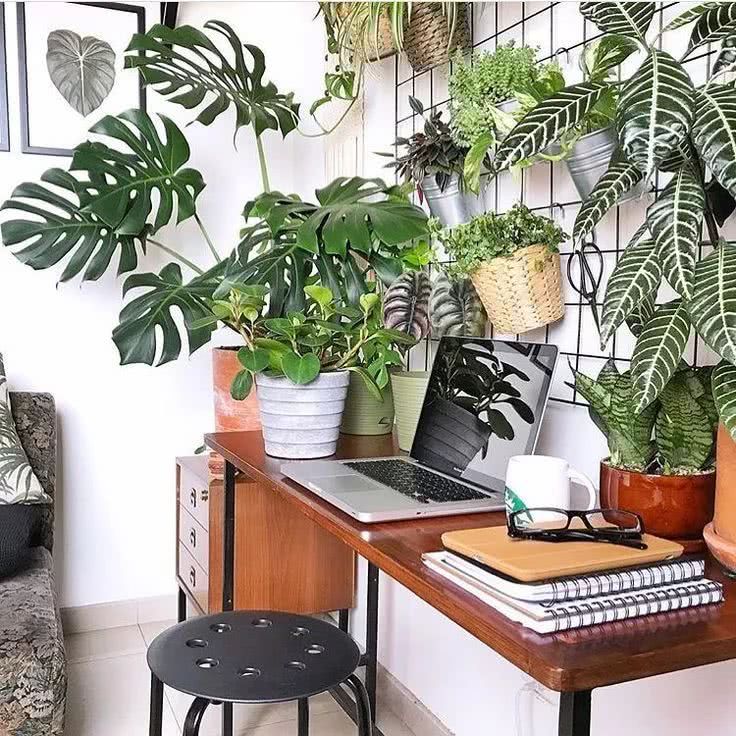
The most captivating thing about Monstera deliciosa photos is its large leaves covered in splits and holes. Monstera deliciosa is an evergreen climbing foliage plant in the Araceae family, native to tropical America, and it gets its name because the patterns on its mature split leaves closely resemble turtle shells. It has a bold, spreading form, and its deep green, glossy leaves make it a classic among large indoor foliage plants.
From the photos, the typical features of Monstera deliciosa are clearly visible: young leaves are mostly whole and heart-shaped, and as the plant grows, the leaf edges gradually split, while oval holes also appear on the leaf surface; this is what is commonly called the fenestration phenomenon. At its stem nodes it grows aerial roots, which in its native habitat let it cling to tree trunks and grow upward, and in home care a support pole is often used to guide its climbing.
Besides the common Monstera deliciosa, this family also has quite a few ornamental varieties, such as the window-hole types of Monstera with more holes in the leaf surface, and Monstera adansonii, which has smaller leaves and finely spaced holes. Different varieties differ quite a bit in leaf shape and split-and-hole patterns, so when comparing photos it is easy to tell their respective features apart.
For care, Monstera deliciosa likes a warm, humid environment and bright indirect light, and dislikes strong direct sun; the soil should be loose and airy, and watering can simply follow the principle of watering when dry and letting it dry out between waterings. You can usually wipe the leaf surface to keep it glossy, and if you want the plant to grow taller and more vigorous, you can guide the aerial roots upward to climb. As a foliage plant, it suits spaces such as the living room and study, and its large leaves are also often used as cut-flower foliage.
Related Reading