Detailed Guide to the Cultivation Methods and Precautions for Peperomia
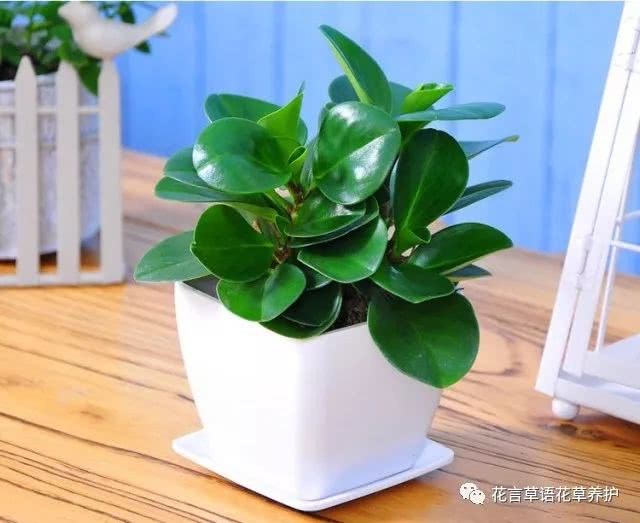
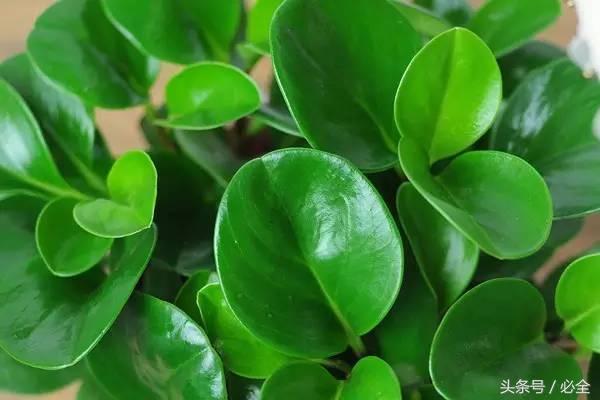
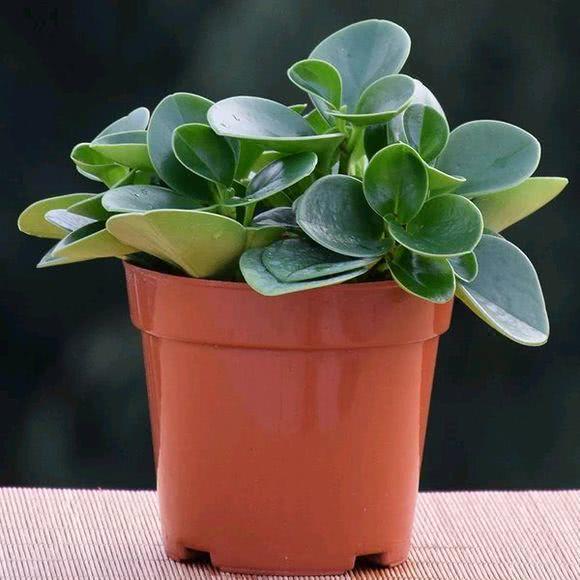
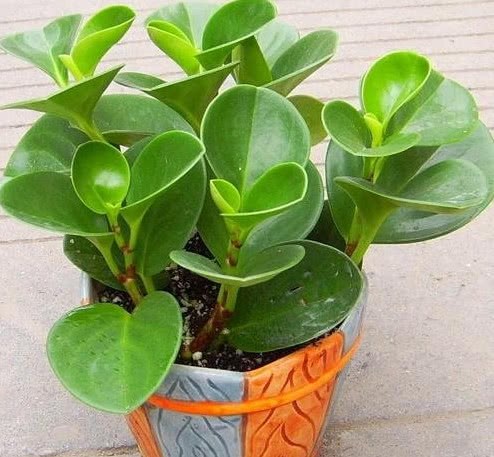
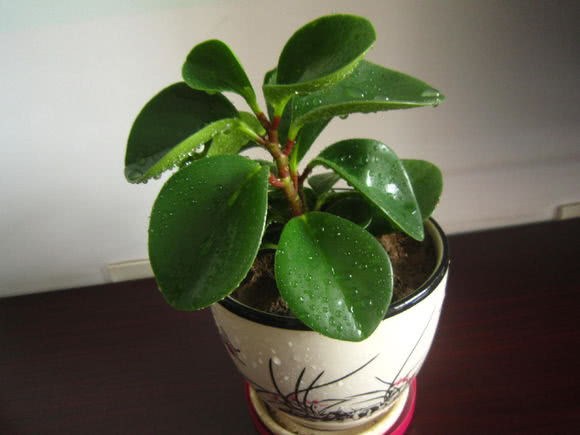
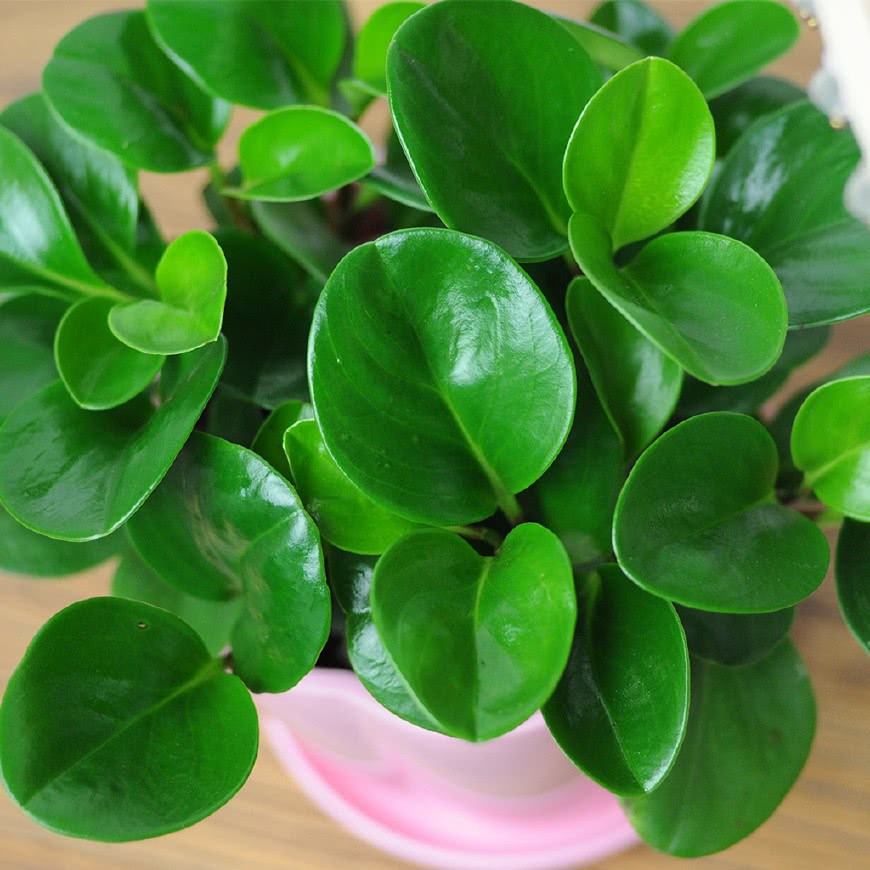
Peperomia is a perennial evergreen herbaceous plant of the genus Peperomia in the family Piperaceae, also known as pepper elder or emerald peperomia. Its leaves are thick and fleshy, ovate in shape, and a glossy emerald green, and the plant has a small, compact form. It is a common indoor foliage potted plant, suitable for placing on desks, windowsills and similar spots.
It is native to tropical and subtropical regions and prefers a warm, humid, semi-shaded environment; it dislikes direct strong light, and bright scattered light is most favorable for its growth. When winter temperatures are low, pay attention to cold protection and keeping it warm, and avoid direct cold drafts, so that the leaves do not freeze, turn yellow and drop off.
In daily care, watering should follow the principle of watering when dry and letting it dry between waterings; long-term waterlogging in the potting soil easily causes root rot. For the growing medium, loose, breathable and well-drained leaf mold or peat soil is best. Repotting can be done once every one to two years, and at the same time trim old roots and overly dense branches and leaves. During the peak growing season, appropriately supplement with diluted liquid fertilizer, and the leaves will grow thicker and more glossy green.
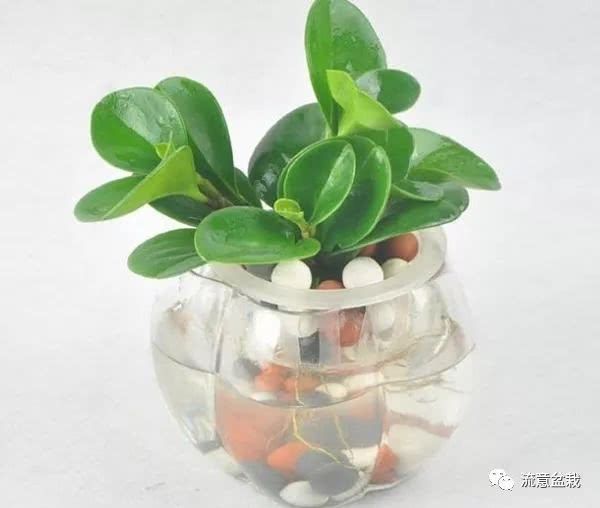
Propagation is mainly by cuttings and division. Stem cuttings and leaf cuttings both root fairly easily, and it can also be grown in water; just remember to change the water regularly to keep the water clean. If the plant becomes leggy, it is mostly caused by insufficient light or too much watering. You can improve the plant shape by increasing scattered light, controlling moisture, and combining this with pinching and pruning.
Related Reading