Repot your Peperomia obtusifolia like this after buying it, and its leaves will grow thick and green
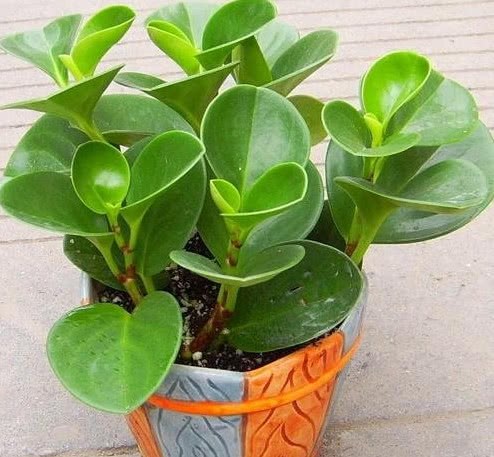
Peperomia obtusifolia is probably one of the most common and most beloved potted plants we have. Its glossy green leaves look small and dainty yet quite thick and substantial, and especially in a hot season like this, keeping a pot of it will make you feel quite a bit cooler!
As someone who has been through it, Huahua deeply feels that Peperomia obtusifolia is the easiest plant to grow. As long as you take care of it on schedule, you never have to worry about not being able to keep it alive. Still, for the sake of its ornamental effect, it is best to repot it after buying it, which also benefits its growth!
When buying, don't be careless either. Pay attention to checking how healthy the leaves are. Don't assume that glossy leaves mean it's good; you should look at whether there are problems like yellow leaves or disease spots, and also at the thickness of the leaves, because thin ones may already be showing signs of wilting.
After bringing it home, if we are going to repot it, then don't water it first; wait a couple of days and water after repotting. After we take the plant out of the pot, we should first check how its roots are growing, and then choose a suitable pot, because Peperomia obtusifolia can be grown both in soil and in water.
If the plant is too large or has many roots, it is best to continue growing it in soil. After cleaning off the old soil, we can clearly see how its clumps are doing. If there are many plants, this is a good chance to divide them. When dividing, be careful not to pull hard on its roots; if they can't be separated, you can cut them with a knife, then put them in a ventilated place and wait for the wounds to heal before planting them separately into pots!
Use loose, breathable soil, and try not to mix fertilizer into it, otherwise if the roots come into contact with it, it will directly cause root burn. Also, Peperomia obtusifolia likes a moist growing environment, so you may water it a bit more often, so to avoid waterlogging problems, first of all you need to choose the right soil!
When repotting, if we find any rotten root parts, we should also promptly clean them off with a tool, then disinfect and air-dry them before planting into the pot. If there are no problems with the roots, then we can directly move it into a new pot.
Now spread a layer of new soil at the bottom of the pot, then put the plant in, and be careful not to let its roots touch the bottom of the pot directly! When planting, hold the plant with one hand while filling in soil, and be careful not to damage the leaves. If soil gets on them, you can just blow it off afterward.
After planting, be sure to give it one thorough watering, then place it in a ventilated spot for care. Remember, ventilation is very important, otherwise before long you will see a plant that has been suffocated to death. Normally you don't need to water too frequently; you can wait until the potting soil is dry before watering, and just water thoroughly when you do.
Peperomia obtusifolia likes a growing environment with a bit higher humidity, so we should often spray water on its leaves, especially in a season like now when evaporation is particularly high. Otherwise, if the humidity is not enough or the potting soil is too dry, its leaves will not be so bright in color and will become wilted.
Also, we need to place it in a semi-shaded environment. Apart from winter, be sure to provide shade in the other seasons, because in winter the temperature is low and the sunlight is not strong, so it needs light to warm itself, and only then will its leaves stay glossy green.
Another advantage of growing this is that you don't need to fertilize it, because unlike those flowering plants, it doesn't consume much nutrients, so as long as we water and care for it normally, there will be no problem!