An Introduction to Common Indoor Flowering Plant Varieties and Key Daily Care Points
Common indoor flowering plants are ornamental plants suitable for long-term cultivation in indoor environments such as homes and offices, for example pothos, spider plant, snake plant, money tree, clivia, kalanchoe, peace lily, and various succulents. Most of them have low light requirements and can grow normally under diffused light, and they are relatively low-maintenance, which makes them the top choice for decorating indoor spaces.
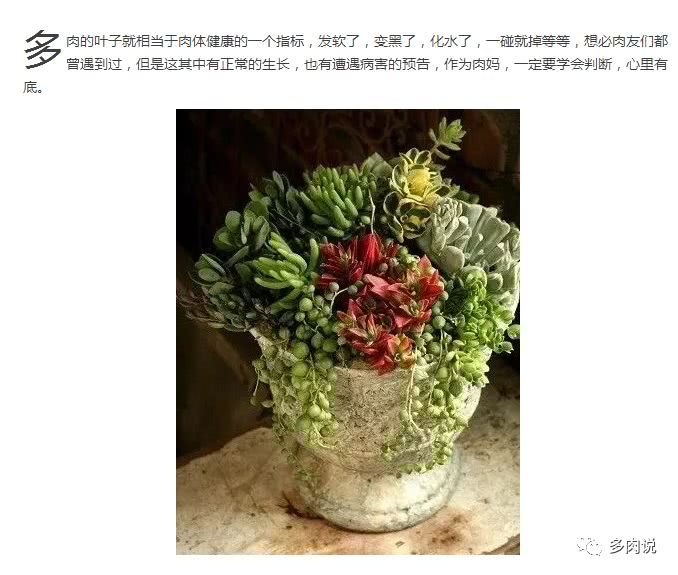
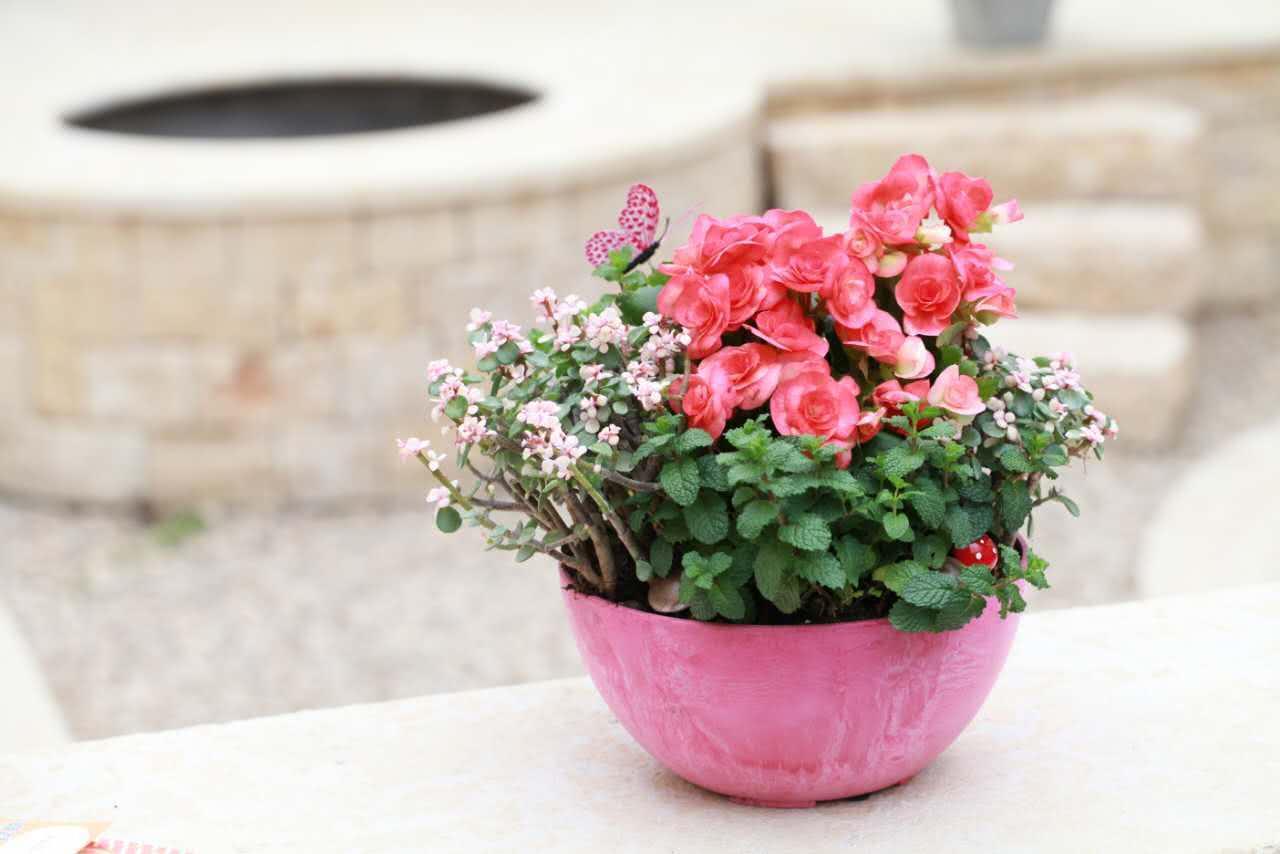
In terms of type, indoor flowering plants can be roughly divided into foliage plants, flowering plants, and succulents. Foliage plants such as pothos, Monstera deliciosa, and rubber plant have leaves that stay green year-round and tolerate shade well; flowering plants such as clivia, kalanchoe, and Christmas cactus can produce bright blooms when cared for properly; succulents are small in form and highly drought-tolerant, making them suitable for placement on windowsills, desks, and similar spots.
When caring for indoor flowering plants, the key lies in three aspects: light, watering, and ventilation. Most indoor plants like bright, diffused light, so they should be protected from harsh direct sun but also not kept in overly dark corners for long periods. Watering should follow the principle of watering when dry and letting the soil dry between waterings: do not water while the potting soil is still moist, and water thoroughly when you do. During the plum rain season, pay special attention to drainage in the potting soil to prevent waterlogging from causing root rot. During the growing season, you can appropriately prune yellow leaves and overly dense branches, which both keeps the plant's shape attractive and encourages new shoots to sprout, making the plant grow fuller.
Indoor flowering plants can decorate the home, add greenery, and lift the mood, and some types also offer some help in improving the indoor micro-environment, but such benefits should not be exaggerated. In daily care, if you find yellowing leaves, leggy growth, or pests and diseases such as scale insects, you should promptly identify the cause, adjust light and moisture, and treat the problem as needed, so that the plants can grow vigorously and stay green all year round.
Related Reading