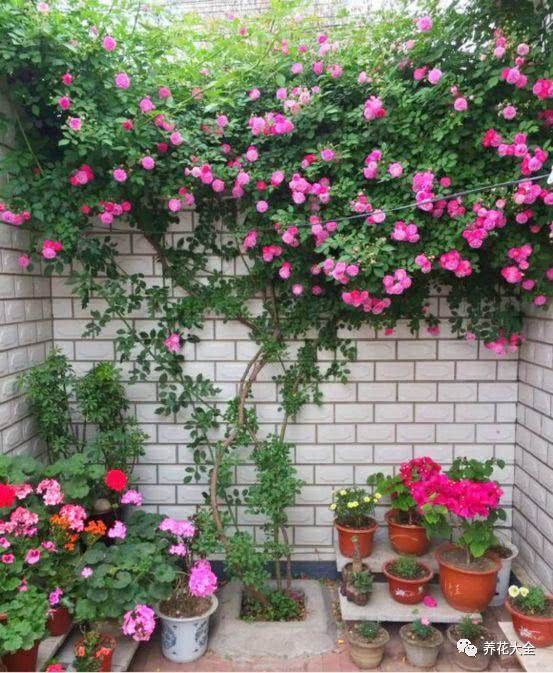
The flower language of the white rose is pure love, and it also symbolizes innocence and guilelessness.
The white rose is a group of plants in the genus Rosa, family Rosaceae, that bear white flowers, and it is commonly seen on garden fences, trellises and along walls. In the culture of flower language, the white rose usually stands for purity, innocence and guilelessness, and it is also often used to express sincere and frank feelings, making it one of the more classic symbols among white flowers.
Because the white petals are plain and clean, white roses often appear in wedding arrangements and garden landscaping, and paired with baby's breath and green foliage plants they look fresh and natural. However, white flowers also carry a connotation of commemoration and remembrance on certain occasions, so before giving them it is best to consider the recipient and the situation to avoid misunderstandings.
Many people cannot tell white roses apart from white Rosa rugosa or white Chinese roses. Simply put, rose (Rosa multiflora) canes are slender and strongly climbing, and the flowers are rather small and often borne in clusters of many blooms; Chinese rose and rugosa roses have larger flower forms and relatively upright canes. To distinguish them accurately, you can start with the form of the canes, the density of the thorns and the way the flowers are borne.
As for care, white roses like a sunny, well-ventilated environment and can be grown in the ground or in pots. During the growing season keep the soil slightly moist but not waterlogged, and after flowering promptly cut off spent blooms and overly dense canes, and the following year they often bloom more. Whether you let them climb a fence to make a flower wall or cut canes to put in a vase, the ornamental effect is good.
Related reading