White Orchid Tree Pictures: Appreciation and a Complete Guide to Its Morphological Features
Pictures of the white orchid tree (Michelia alba) are the most direct way to get to know this plant. Also known as bailan or Burmese osmanthus, the white orchid tree is an evergreen tree of the genus Michelia in the magnolia family. Its flowers are pure white and elegantly understated, with a fresh, sweet and intense fragrance, and it is often used as a street tree or a courtyard ornamental tree. Many people are drawn in by its fresh, delicate character the moment they see a photo.
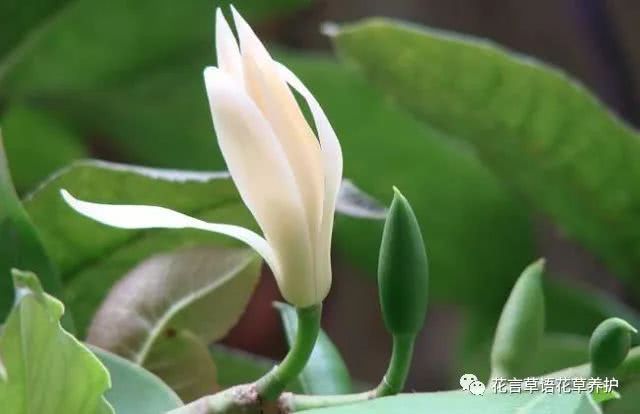
In pictures, the flowers of the white orchid tree appear fairly slender, with long lance-shaped petals that are usually creamy white; the bloom looks as if carved from white jade, and the petals spread slightly outward when fully open. Its leaves are relatively large and long-oval, with smooth, deep green surfaces, and the branches and trunk are upright, giving the whole tree a graceful shape. Because the flowers are often tucked among the leaf axils, they are not very conspicuous when observed in person, so looking at pictures actually makes the details of the flowers easier to understand.
When selecting or enjoying pictures of the white orchid tree, you can focus on three types of images: close-ups of the flowers, the form of the branches and leaves, and the overall appearance of the tree. Close-up photos show the texture and sheen of the petals, while full-view photos capture its upright posture as a landscaping tree. Note that the white orchid tree and the white magnolia (Magnolia denudata) have similar names but are not the same plant; the latter has larger flowers and blooms before its leaves emerge, making the two fairly easy to tell apart by comparing pictures.
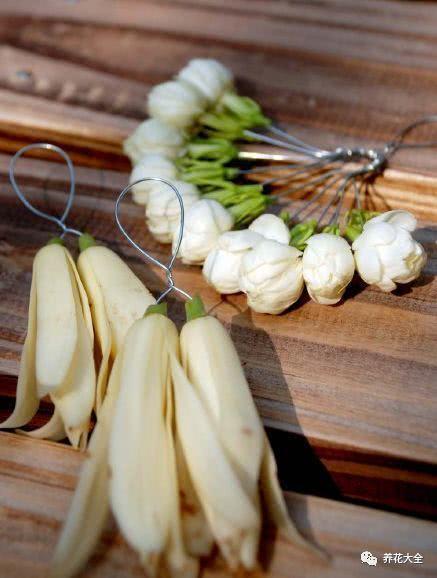
The white orchid tree is not only ornamental: its flowers can also be used to extract essence and to scent tea, and in some regions people like to string the flowers into garlands to wear, which is quite elegant. Appreciating pictures together with written descriptions can help flower enthusiasts quickly recognize and remember this fragrant, pleasant plant.
Related Reading