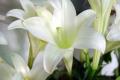
A Detailed Guide to Lily Planting Methods and Care Tips
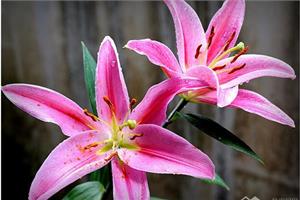
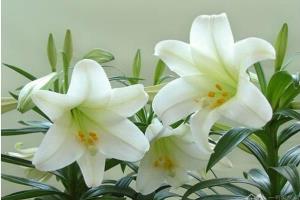
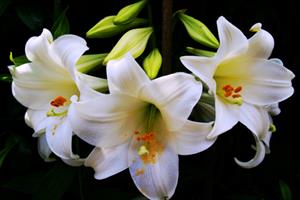
The lily is a perennial bulbous flower of the genus Lilium in the family Liliaceae. Its blooms are large and elegant, with rich colors, and some varieties are also lightly fragrant. It is suitable both for planting in the ground in gardens and for growing in pots for ornamental display, and is deeply loved by gardening enthusiasts.
Growing lilies generally starts from the bulbs. When selecting bulbs, choose plump, healthy ones free of disease spots and damage, as such bulbs are more likely to survive and bloom. The soil should be a loose, fertile, well-drained, slightly acidic sandy soil; you can mix leaf mold and perlite into garden soil to increase air permeability. Planting is mostly done in spring or autumn. When planting, the depth of soil covering the bulb should be about two to three times the height of the bulb; too shallow makes the plant prone to lodging, while too deep is not conducive to sprouting.
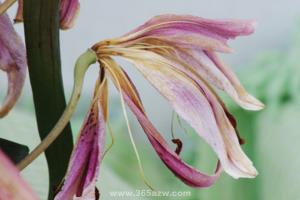
In terms of routine care, lilies prefer a sunny environment, and during the growing period they need sufficient light; in the high temperatures of summer, light shade is enough. Water according to the principle of watering when dry and letting it dry between waterings, and never let water accumulate in the pot, otherwise the bulbs rot easily. Around bud formation, supplement with phosphorus and potassium fertilizer to help flower bud differentiation and blooming; after flowering, promptly cut off the spent flowers to reduce nutrient consumption.
Common diseases of lilies include gray mold and root rot, while the main pests are aphids and red spider mites. Usually keep good ventilation and avoid a stuffy, hot and humid environment. Remove diseased leaves promptly when found, and spray pesticides for control when necessary. As long as the bulbs are healthy and light and water are managed properly, lilies can reliably bloom again every year.
Related Reading