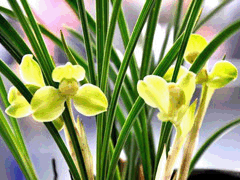
A Detailed Guide to Growing and Caring for Encyclia (Yi Lan)
Encyclia (Yi Lan) is a flowering plant with high ornamental value. It has a graceful, delicate form and emerald-green leaves, and when it blooms its flowers are elegant in shape. It is often grown in pots to decorate living rooms, studies or balconies, and can also be placed in a courtyard to accent the scenery. Because its care is similar to that of orchids in general, many gardening enthusiasts compare and study it alongside varieties such as Oncidium and Aspidistra.
In terms of growth habits, Encyclia prefers a warm, humid, well-ventilated semi-shaded environment and dislikes direct strong light. When light is too intense, the leaves tend to turn yellow and develop scorched edges, while long periods of deep shade will affect flowering. Therefore, in spring, autumn and winter it can be exposed to more soft sunlight, while in summer it needs appropriate shading.
As for watering, the principle is to water when dry and let it dry out between waterings: wait until the surface of the potting soil dries, then water thoroughly in one go. Never allow water to accumulate, or the roots will easily rot. For the growing medium, choose a loose, breathable, well-draining, slightly acidic soil, which can be made by mixing leaf mold with bark, perlite and similar materials. During the growing season, apply light but frequent fertilizer; supplementing appropriately with phosphorus and potassium fertilizer before and after flowering helps the plant bloom more successfully.
In daily care, if yellow leaves appear, it is usually related to overwatering, overly strong light or poor ventilation; environmental factors should be checked first before making adjustments. Propagation is generally done by division: when repotting, separate the vigorous plants and plant them separately. In winter, pay attention to keeping the plant warm, avoid direct cold drafts and low-temperature frost damage, and keep the ambient temperature stable so the plant can overwinter safely.
Related Reading