Detailed Guide to Violet Cultivation Methods and Care Techniques
Violet Cultivation and Care
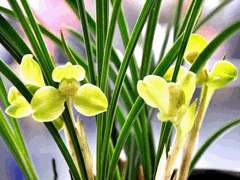 VioletOrchidThere are single-petaled and double-petaled types. The double-petaled flowers are large and compact, like hydrangea blossoms forming a flower column; the single-petaled flowers are loose, like butterflies chasing and dancing. The flower colors are rich, brilliant and lovely, and they have an alluring fragrance. The varieties are divided into 3 types:
(1) Summer violet: also known as fragrant violet. Annual, with small stems and leaves, early-flowering, growing period 100-150 days, with a strong fragrance. After spring sowing, it blooms from June to August.
(2) Autumn violet: sown in early spring, blooms in autumn. When sown in autumn and cultivated in a greenhouse, the flowering period lasts from winter to spring.
(3) Winter violet: perennialflowering plant, with a relatively large plant. In southern China it can be cultivated in the open field. When sown in autumn, the flowering period lasts from winter to summer. Because the above 3 types of violets have different sowing times, in warm regions they can basically bloom continuously throughout the year.
Violets should not be planted too densely, otherwise poor ventilation will causepests and diseases. It is suitable to plant them in soil that is fertile and well-drained. The potting soil can be mixed with 2 parts humus soil, 2 parts garden soil, and 1 part river sand. During the growing season, fertilize once every 10 days. Nitrogen fertilizer should not be excessive; phosphate fertilizer and potassium fertilizer should be applied. Stop fertilizing during the flowering period and in winter. Generally, when the soil surface is seen to be dry and whitish, water immediately, keeping it moist but not waterlogged. Violets prefer a warm climate in winter and should be moved indoors; they tolerate a brief low temperature of -5°C. Propagation is mainly by sowing.
In the central region of China, sowing is generally done in the open field in mid-September. For seed collection, single-petaled flowers should be selected as the mother plant. Although double-petaled flowers have high ornamental value, they cannot produce seeds because they lack pistils. If seeds are collected from potted mother plants, the second generation will have a higher rate of double-petaled flowers, accounting for more than about 50%. Before sowing, the potting soil should be relatively moist. After sowing, cover with a thin layer of fine soil and do not water again. If the potting soil dries out within half a month, place the pot half-submerged in water so that water enters from the bottom of the pot to moisten the soil. After sowing, pay attention to shading, and seedlings will emerge in about 15 days.
Responsible editor: Yeyu