To grow jiaogua well, you need to get site selection, sowing and field management right
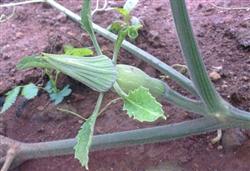
In most regions, jiaogua refers to zucchini, also called jiaogua melon, an annual herbaceous vegetable in the Cucurbitaceae family, genus Cucurbita, grown for its tender fruit. Its fruit is mostly elongated and cylindrical, with skin types including dark green, light green and variegated, and the flesh is tender and juicy. It can be eaten in many ways and is a common cucurbit vegetable in both home gardens and field cultivation.
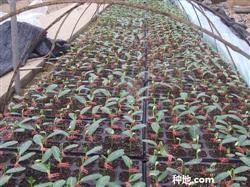
To grow jiaogua well, the first step is choosing the site and sowing. It likes warmth and fears frost, so it is generally direct-sown or raised as seedlings and transplanted after the temperature has steadily warmed up; for early-maturing cultivation, seedlings can also be raised in a seedbed first and then set out. The plot should be loose, fertile soil with good drainage. When preparing the land, apply plenty of decomposed organic fertilizer as a base fertilizer, grow it on ridges or in beds, and leave enough spacing between plants and rows to ensure ventilation and light penetration.
The key to field management lies in regulating fertilizer and water. In the early growth stage, watering should be moderately controlled to prevent the vines from growing too vigorously; after the first fruit has set, water and nutrient demand rises, so a fertilizer mainly based on potassium can be applied along with watering to promote fruit enlargement. Watering should be light and frequent, avoiding flood irrigation and standing water in the field, and drainage should be timely during the rainy season.
Common problems are mainly flowers that bloom without setting fruit and diseases. Jiaogua is monoecious, relying on insect pollination; when there is low temperature and cloudy rain, or when there are few insects active in a greenhouse, fruit abortion easily occurs, and at such times artificial pollination can be carried out. At the same time, watch for diseases and pests such as powdery mildew, viral disease and aphids, promptly remove old and diseased leaves, and strengthen ventilation. Young fruit should be harvested early once it reaches a suitable size, which helps subsequent continuous fruit set.
Related Reading