How to Grow Chive Seedlings from Seed: Methods and Key Management Points
Chives are a commonly used spicy vegetable, with the tender leaves and false stems eaten as a seasoning. They can be propagated by division or grown from seed. Growing seedlings from seed suits large-scale planting or situations needing a large number of transplants, giving uniform seedlings at a relatively low cost, and it is a common choice in production.
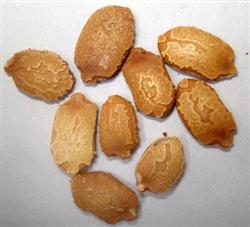
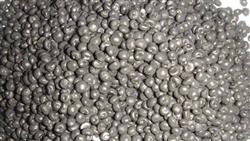
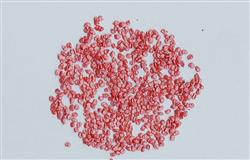
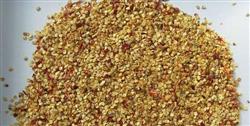
Before sowing, select fresh, plump seeds. Chive seeds have a short lifespan, and the longer they are stored the lower the germination rate, so old seeds often lead to sparse emergence. Before sowing, the seeds can be soaked in warm water for several hours, then removed and left to dry off surface moisture before sowing, which helps them germinate earlier. The seedbed should be a loose, fertile plot with convenient drainage and irrigation, given plenty of well-rotted base fertilizer, with the soil worked fine and level.
Sowing is usually done by broadcasting or in drills, with shallow covering soil, just enough to cover the seeds; after sowing, press lightly and water thoroughly. Seed germination needs a relatively warm, moist environment, and emergence is slow when the temperature is low. For early-spring seedling raising, film can be used to keep in warmth and moisture, and the film should be removed promptly for ventilation once seedlings appear, to prevent the seedlings from being scorched by high temperatures.
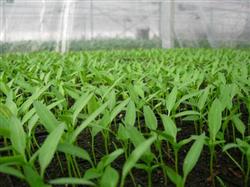
After emergence, the focus of management is water and thinning. The seedling roots are shallow, so the bed surface should stay moist but not waterlogged, and watering should be light and gentle. Once the seedlings reach a certain height, thin them out, pulling up weak and overcrowded seedlings so the spacing is even, and a dilute liquid fertilizer can be applied according to seedling condition to promote thick, sturdy stems and leaves.
Common problems during seedling raising are uneven emergence and damping-off death of seedlings, mostly caused by old seeds, too thick a soil cover or excessively high soil moisture. To prevent these, use new seed, control the amount of watering, pull up diseased seedlings promptly, and pay attention to ventilation and reducing humidity. When the seedlings are about ten-plus centimeters tall and have grown several true leaves, they can be lifted and transplanted to the field for establishment.
Related Reading