Wild vegetable cultivation methods directly affect the survival rate and yield
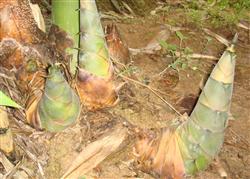
Wild vegetables are edible wild vegetables that grow in natural environments such as mountain forests, barren slopes, ditch edges and field ridges. Common ones include fern (Pteridium aquilinum), Aralia elata sprouts, shepherd's purse (Capsella bursa-pastoris), dandelion (Taraxacum), purslane (Portulaca oleracea) and bitter lettuce (Sonchus). These wild vegetables have a unique flavor and high nutritional value, and as market demand increases, more and more growers are beginning to try artificial domestication and cultivation.
When cultivating wild vegetables, the first step is to select a good plot. Most wild vegetables prefer loose, fertile, well-drained soil, while some varieties prefer a cool and humid environment, so they can be arranged for cultivation under the forest or with shade nets installed. The propagation method varies by variety; some are suitable for sowing and raising seedlings, while others can use rhizomes or division for asexual propagation. When digging wild seed sources, care must be taken to do so moderately and protect wild resources.
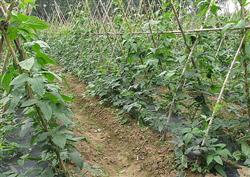
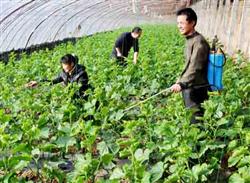
The key to field management is to simulate the wild growing environment. Watering should be done to keep the soil moist without waterlogging, and fertilization should mainly use decomposed organic fertilizer, with as little chemical fertilizer as possible, so that the original flavor of the wild vegetables can be better preserved. During the growing period, weeds should be removed promptly, and the occurrence of pests and diseases should be closely observed, with priority given to agricultural and physical control measures to reduce pesticide residues.
The harvest time and parts vary by variety. Most use tender stems, leaves or young shoots as the edible portion, and harvesting should be timely and combined with leaving some growth so the plants can continue to grow. It should be noted that before introducing a species, it must be confirmed that the variety is edible and non-toxic, and its growth habits must be fully understood. Do not blindly plant it on a large scale, so as to avoid losses.
Related Reading