Daylily Cultivation Methods and Key Field Management Techniques
Daylily, also known as golden needle vegetable, is a perennial herbaceous plant of the genus Hemerocallis in the Liliaceae family. Its tender flower buds are used as food and are rich in nutrients; they can be eaten fresh or dried, and it is cultivated in many parts of our country. Once planted, it can be harvested continuously for many years, making it suitable both for scattered planting in courtyards and for block cultivation, and it is an economic crop favored by many farmers.
For planting daylily, choose a plot with ample sunlight, deep soil, and good drainage; loose, fertile sandy loam is best, while low-lying areas prone to water accumulation can easily cause root rot and should be avoided as much as possible. Before planting, plow the soil deeply, apply plenty of decomposed organic fertilizer as a base fertilizer, and level the land into beds to lay a good foundation for root growth.
Propagation is mainly by division, mostly carried out in spring and autumn. After digging up the mother plant, divide it into small clumps according to its natural tillers, keeping complete roots and an appropriate number of buds in each clump, and plant them as they are divided. When setting out, open holes and plant the seedlings at a reasonable row and plant spacing; after covering with soil and firming it, water thoroughly to settle the roots, and after the seedlings recover they can enter normal management.
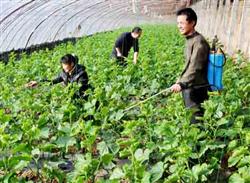
In terms of field management, during the growing period, cultivate and weed in time to keep the soil loose; water timely during drought, and pay attention to drainage and waterlogging prevention during the rainy season. Fertilization should combine base fertilizer with topdressing, and appropriately supplement nutrients before green-up in spring and during the harvest period, which helps produce more flower buds and improve quality. Harvesting should be done when the flower buds are plump but not yet open; usually those picked in the early morning have better market quality.
Common diseases of daylily include rust and leaf spot, while aphids are the more commonly seen pests; they can be controlled through reasonable close planting, timely removal of diseased and disabled plant material, and targeted spraying. It should be noted that fresh daylily contains colchicine-type substances, so it should be steamed, boiled, or sun-dried before eating to avoid discomfort from eating it raw.
Related Reading