The per-mu yield of black-skinned winter melon is strongly affected by variety and management
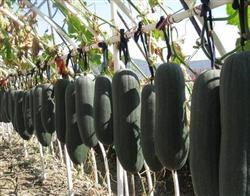
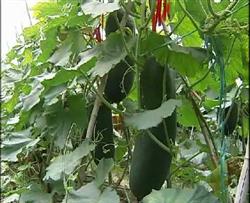
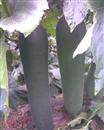
The black-skinned winter melon is an important cultivated type of winter melon (Benincasa hispida), named for its dark green or nearly black rind. Its fruits are large with thick flesh and a small cavity, and it stores and ships well, so it is widely grown in many production areas of southern China. Its single-fruit weight is clearly greater than that of small-fruited winter melons, and its overall yield level is higher too; under normal cultivation conditions most fields can reach several thousand kilograms per mu, and carefully managed fields can do even better.
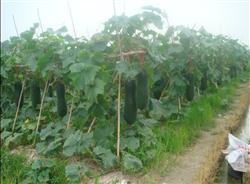
Per-mu yield is first of all related to variety and planting density. Different black-skinned winter melon varieties differ considerably in fruit size and fruit-setting ability. Planting too densely hinders ventilation and light penetration, while planting too sparsely wastes land. In practice, growers generally use rational close planting, keep strong main vines, and prune and remove side shoots in time so that nutrients are concentrated on fruit swelling.
Water and fertilizer management is another key factor determining per-mu yield. On the basis of applying sufficient base fertilizer, topdressing is needed in stages during the vine-running period and after fruit set; the fruit-swelling stage has a high water demand, so the soil should be kept moist but not waterlogged. Topdressing should pay attention to the balance of nitrogen, phosphorus and potassium; applying too much nitrogen alone easily causes excessive vine growth and fewer fruits set, which instead lowers yield.
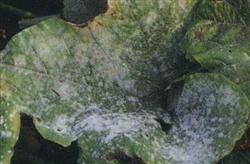
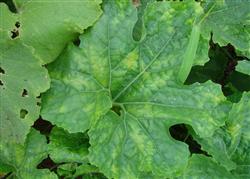
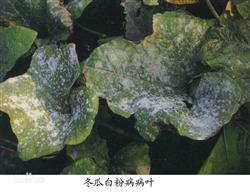
Disease prevention and control also directly affects the final harvest. Gray mold, powdery mildew and viral diseases occur easily in years with high temperature and humidity or more insect pests, and fruit cracking is mostly related to alternating dry and wet moisture conditions. In practice, growers should clean up the field and drain excess moisture, control insect pests in time, and combine this with chemical prevention to reduce rotten and dropped fruits, so that per-mu yield can be kept at a relatively high level.
Related reading