Tomato Fruit Rot: Identify the Cause and Apply Scientific Control
Rotten fruit is a common problem in the middle and late stages of tomato growth, showing up as fruits that become soft and discolored in part or all of the fruit, and in severe cases rot and drop off. The causes of fruit rot are fairly complex: there are infectious diseases caused by pathogen infection, physiological problems such as water imbalance and calcium deficiency, and also secondary infection after fruit cracking. So you need to identify the cause first, then treat it accordingly.
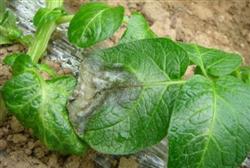
From the disease perspective, late blight, Phytophthora fruit rot, anthracnose, gray mold, and bacterial soft rot can all cause fruit rot. This kind of rot is often accompanied by obvious lesions, mold layers, or off-odors, and occurs more severely under high temperature and high humidity with poor field ventilation. The most typical physiological fruit rot is blossom-end rot, mostly caused by insufficient calcium uptake or by watering that alternates between dry and wet. A sunken dark brown patch appears at the blossom end of the fruit, and later it is also easily infected by miscellaneous microbes and rots.
For control, agricultural measures should come first. Practice crop rotation when planting, choose plots with higher terrain and easy drainage, use plastic film mulching, and plant at a reasonable density; during the growing period, prune and remove side shoots in time, set up stakes and tie the vines, remove lower old leaves and diseased leaves, and improve ventilation and light penetration. Water with small amounts frequently and supply evenly, avoiding sudden flooding irrigation after a long drought. This not only reduces fruit cracking but also helps prevent blossom-end rot.
During routine management, diseased fruits should be removed promptly and taken out of the field for centralized disposal; they must not be casually thrown in the field or piled up inside the greenhouse. After rain, clear the ditches to drain water and lower field humidity. Chemical control should be selected according to the disease type after it has been clearly identified, and attention should be paid to rotating pesticides. Usually observe the fruit and plant growth more often, and put prevention first, so you can significantly reduce the losses caused by fruit rot.
Related Reading