Mastering Off-Season Black-Skinned Winter Melon Growing Methods and Management Points
Off-season black-skinned winter melon refers to black-skinned winter melon produced outside the normal marketing season by adjusting the sowing period or with the help of facilities such as greenhouses. Black-skinned winter melon has dark green skin, thick flesh and a small seed cavity, and stores and transports well; when marketed off-season, supply on the market is scarce, so the growing profit is usually higher than in the regular season.
Before planting, the variety should be selected first; it is best to choose black-skinned winter melon varieties that tolerate low temperatures and weak light and set fruit well. Off-season cultivation is mostly seen in late-autumn and early-spring crop slots, and the specific sowing date should be determined according to local climate and facility conditions. During seedling raising, keep warm and protect against cold, and transplant once the seedlings have grown to a suitable size.
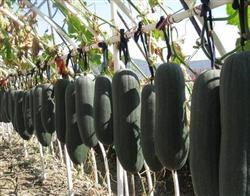
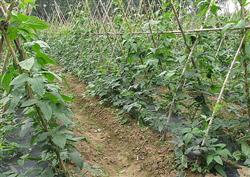
Field management after transplanting directly affects the harvest. In facility cultivation, pay attention to ventilation and air exchange, appropriately raise the temperature during the day to promote growth, and keep warm at night to prevent cold damage. Black-skinned winter melon has a high fertilizer demand; base fertilizer should mainly be fully decomposed organic fertilizer, and after fruit set, apply fruit-swelling fertilizer in time together with phosphorus and potassium fertilizer. During the growing period, vines should also be trained and side shoots removed, keeping strong young fruits on the main vine; during the fruiting period, objects can be used to prop up the melons to reduce rot caused by ground moisture.
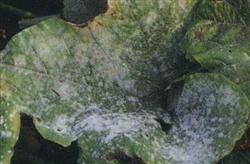
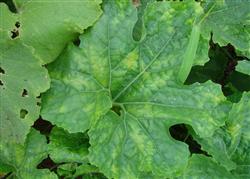
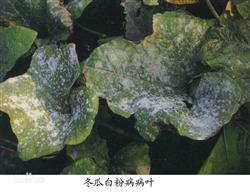
In off-season cultivation, humidity inside the greenhouse is high and ventilation is poor, so diseases such as gray mold and viral disease and fruit cracking are relatively likely to occur. In daily management, control the amount of watering and reduce humidity inside the greenhouse, and promptly remove diseased leaves and fruits and take them out of the field for disposal. Water with small amounts and frequent watering, avoiding alternating drought and wetness, which can reduce fruit cracking and disease to a certain extent.
Related Reading