For early-spring greenhouse celery grown in warm conditions, focus on heat preservation and water and fertilizer management
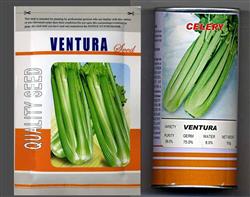
Early-spring warm-condition greenhouse celery cultivation makes use of the heat-retaining properties of plastic greenhouses to transplant celery early in late winter or early spring, so that the product reaches the market earlier than open-field cultivation. Its marketing period falls right in the stretch of spring when vegetable supply is relatively tight, so prices are usually better, making it a common way for many vegetable growers to increase income. For cultivation, it is best to choose varieties with solid petioles, relatively strong cold resistance, and low susceptibility to premature bolting.
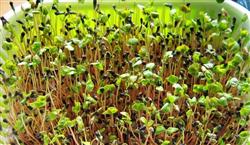
Raising strong seedlings is the foundation for a good harvest. During the seedling stage, pay attention to keeping warm and preventing cold damage, so that low temperatures do not make the seedlings grow too weakly; when the seedlings reach a certain size, divide them promptly to enlarge the nutritional area and promote a well-developed root system. Before transplanting, apply plenty of decomposed organic fertilizer while preparing the land, make flat beds or raised beds, plant at a reasonable spacing between plants and rows, and after planting water thoroughly to help the seedlings recover.
After transplanting, the early stage should focus mainly on heat and moisture retention to promote recovery and survival. After the seedlings recover, ventilate appropriately, and keep the greenhouse temperature in a relatively cool range to avoid high temperature and high humidity triggering disease. Celery likes fertilizer and water; after entering the vigorous growth stage, strengthen the supply of water and fertilizer, mainly nitrogen fertilizer together with an appropriate amount of phosphorus and potassium fertilizer, and keep the soil moist to promote thick, crisp, and tender petioles.
After spring temperatures rise, celery is prone to premature bolting and hollowing. Premature bolting is mostly related to weak winter hardiness of the variety, long-term low temperatures, and poor nutrition, so good varieties should be selected and management strengthened; hollowing is often caused by uneven water and fertilizer, unsuitable temperatures, or harvesting too late, and can be effectively reduced by balanced water and fertilizer supply and timely harvesting. In addition, pay attention to preventing and controlling common diseases such as late blight and leaf spot, and ventilate in time to reduce humidity.
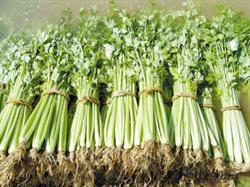
Celery grown under early-spring warm-condition greenhouse cultivation is generally harvested in batches when the petioles are fully thickened and before the heart leaves unfold. Harvesting too late increases fiber and lowers quality, so arrangements can be made flexibly according to market conditions to achieve balanced supply and improve cultivation returns.
Related Reading