A Detailed Guide to Where to Buy Volcanic Rock and How to Select It
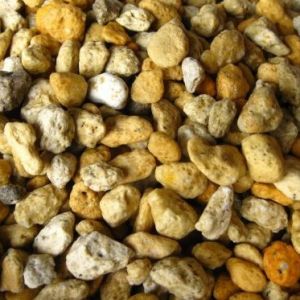
Volcanic rock is a porous stone formed when magma cools rapidly after a volcanic eruption. Its surface is covered with fine pores, and it is lighter than ordinary stone, with good water absorption, breathability and drainage. In gardening, it is often used as a growing medium for plants such as orchids and succulents, and it can also be laid at the bottom of hydroponic containers or used for aquarium landscaping and filtration, so its uses are quite wide-ranging.
There are actually quite a few channels for buying volcanic rock. Flower markets and garden supply stores in various places generally sell bagged horticultural volcanic rock, with sizes ranging from large chunks to granules of various particle sizes, so you can choose according to your needs. Some building materials markets also sell volcanic rock, mostly for topdressing or landscaping. Online shopping platforms offer even more choices, and you can filter by particle size and place of origin. Before ordering, pay attention to store reviews and packaging methods to avoid excessive dust from breakage during transport.
When selecting, you can start from several aspects. First, look at the pores: volcanic rock with uniform pores and a loose structure absorbs water and breathes better. Second, weigh it: at the same volume, the lighter ones usually have more pores. Third, check dust and odor: better-quality material has less dust and no obvious off odor. After it arrives, it is recommended to soak and rinse it several times in clean water to remove dust before potting.
Orchid growers often combine volcanic rock with media such as bark and Kanuma soil, which can increase aeration in the pot and also help the root system grow steadily. Particle size should be chosen to match the plant and the pot: use coarse granules for large, strong plants, and fine granules for propagation and small seedlings. If obvious powdering occurs after a period of use, simply sift and replace it in time; daily care is not troublesome.