Clivia Image Appreciation: Judging Quality and Condition from Leaves and Flowers
Clivia is a perennial herbaceous plant of the genus Clivia in the Amaryllidaceae family, native to South Africa. It is deeply loved by home gardeners because its leaves spread out like a fan and its flowers cluster upward. The clivia images commonly seen online mostly fall into two categories: leaf close-ups and full-bloom states. A clear image can often directly reflect the plant's health and the level of its quality.
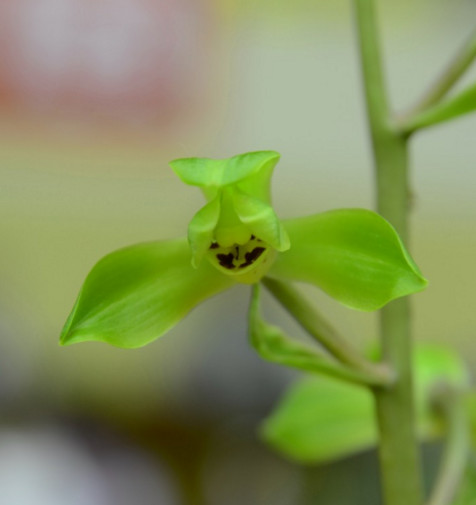
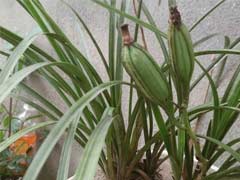
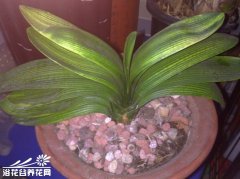
From the images, clivia leaves are thick, broad and band-like, with a deep green, glossy color and clearly visible veins, arranged symmetrically in a neat row on either side, which is what growers often call the rosette form. When it blooms, the flower scape emerges from the middle of the leaf cluster, bearing a cluster of orange-red or yellow funnel-shaped flowers at the top, with a fairly long ornamental period. Commonly cultivated types include Clivia miniata and Clivia nobilis, among others. Different varieties differ in leaf width, flower shape and flower color, and these details are worth noting when comparing images.
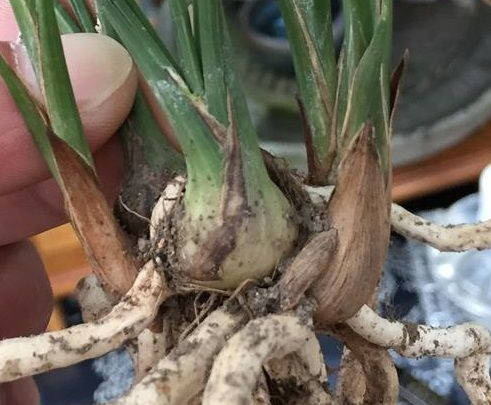
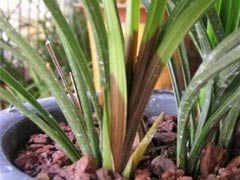
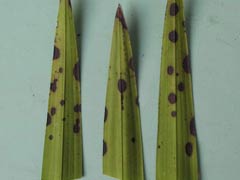
For beginners, choosing seedlings by looking at images is a fairly practical way to get started. When selecting, you can check from the images whether the leaves are symmetrical and neat, whether the vein patterns are clear, whether there are disease spots or yellow leaves, and whether the roots look clean and plump. Note that the shooting angle and lighting can affect your judgment, so try to refer to multi-angle photos taken in natural light and avoid drawing conclusions from a single angle.
Images can also be used to troubleshoot care problems. For example, yellowing leaves are mostly related to overwatering or too much light, crooked leaves are often caused by uneven light exposure, and a stuck flower scape may be related to temperature differences and nutrient supply. After spotting these conditions by comparing with images, promptly adjust the placement position and watering frequency, and the clivia's condition will gradually recover.
Related Reading