Trading Clivia: Understanding Appearance Traits and Key Buying Points
Trading Clivia refers to the buying and selling activities centered on this ornamental plant, covering seeds, seedlings, mature plants and rare varieties. Trading channels include in-person selection at local flower markets and bird-and-flower markets, as well as online shops and exchanges at exhibitions. Because Clivia has high ornamental value and a long cultivation cycle, both buyers and sellers usually place great importance on appearance and quality.
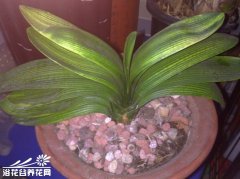
In Clivia trading, prices are generally closely tied to variety, plant age and appearance. Traditionally, people start by judging a plant by its leaves; Clivia with broad, thick, short and sturdy leaves, clear vein patterns, glossy color and a well-proportioned plant shape are more popular in the market. At the same time, whether the root system is strong and whether there are pests or diseases also directly affect the selling price.
When taking part in trading, pay attention to identifying the variety and beware of ordinary plants being passed off as rare varieties. When choosing to buy online, pay attention to the seller's reputation and the packaging and shipping method, because Clivia leaves are crisp and tender and are prone to damage in transit. After receiving the plant, it is advisable to first check the condition of the roots and leaves, place it in diffused light to acclimate, and then move it to normal care.
If a purchased Clivia is not cared for properly, problems such as crooked leaves and root rot often appear. In daily care, keep the potting soil loose and breathable, avoid waterlogging, and regularly turn the pot so the leaves receive even light. When crooked leaves are found, corrective measures such as shading can be taken promptly. Growing a plant with a well-proportioned shape and a strong root system not only looks good, but is also more favored when traded again in the future.
Related Reading