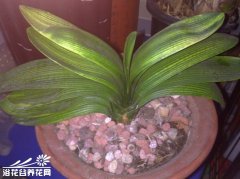
An Introduction to the Characteristics, Habits and Care Points of Clivia
Clivia is a perennial herbaceous plant of the genus Clivia in the Amaryllidaceae family. It is native to southern Africa and is now widely cultivated across our country, making it a rather popular indoor foliage and flowering plant. Its leaves are broad and thick, arranged neatly in a strap-like pattern, and the flower scape emerges from the center of the leaf cluster, forming an umbel inflorescence, with common flower colors such as orange-red and orange-yellow. The leaves, flowers and fruit all have good ornamental value.
Clivia prefers a warm, humid and semi-shaded environment, fears direct strong light, and is not tolerant of high summer heat or low-temperature freezing damage. When cultivating it, it is best to use loose, fertile leaf mold or humus soil with good drainage and aeration, and to water according to the principle of watering when dry and letting it dry between waterings, avoiding long-term water accumulation in the pot.
In daily care, the more common problems are crooked leaves, root rot and leaf spot disease. Clivia leaves have phototropism, and when light is uneven they tend to grow crooked, which can be prevented and corrected by regularly turning the pot and adjusting its placement direction. Root rot is mostly caused by overwatering or compacted potting soil; once discovered, the plant should be removed from the pot promptly, the rotten roots cut away, and it should be replanted with fresh soil. When leaf spot disease occurs, attention should be paid to ventilation and light transmission, diseased leaves should be removed promptly, and chemical control should be used as well.
For propagation, Clivia is commonly grown by division and sowing. During the seedling stage, management such as transplanting seedlings, hardening seedlings and dividing pots needs to be done well to promote robust growth of the young plants. For old plants that have been cultivated for many years and are declining in vigor, methods such as repotting, renewing the growing medium and division can be used to restore their vigor and extend their ornamental lifespan.
Related Reading