How to Grow Clivia (Kaffir Lily) and Prevention of Common Problems
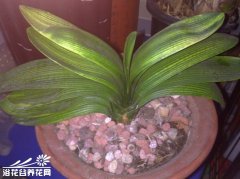
Clivia is a perennial herbaceous plant in the genus Clivia of the amaryllis family (Amaryllidaceae), native to southern Africa. It is much loved for its broad, symmetrical leaves and its bright flowers borne in clusters, and it is a common indoor ornamental potted flower in homes.
Common cultivated species include Clivia miniata and Clivia nobilis; Clivia miniata has larger flowers that usually open facing upward, while the flower cluster of Clivia nobilis droops downward. Home cultivation in China is mainly based on Clivia miniata and its selected cultivars, and different cultivars vary in leaf width and the depth of flower color.
Clivia prefers a warm, semi-shaded environment, and dislikes direct strong light and waterlogged potting soil. It is best planted in loose, fertile leaf mold or humus soil with good drainage. Watering should follow the principle of watering when the soil is dry and letting it dry out between waterings; during the growing season, apply light fertilizer frequently, pay attention to shading and ventilation in summer, and keep the temperature stable around the winter and spring flowering period to encourage normal flower spike emergence and blooming.
During care, lopsided leaves are common, mostly caused by uneven light exposure; this can be corrected by regularly turning the pot or providing appropriate shading. Overwatering easily causes root rot; if the roots are found to be blackened and soft, the plant should be taken out of the pot promptly, the rotten roots trimmed away, and the plant repotted in fresh soil. When ventilation is poor, leaf spot disease is likely to occur; affected leaves must be cut off and management strengthened. For older plants that have grown for many years, the substrate can be renewed by repotting, or the plant can be divided, to restore vigor.
Clivia is appreciated for both its flowers and foliage; its leaves stay green all year round, and its flowering period falls in winter and spring, making it suitable for placement in indoor spaces such as living rooms and studies. In daily care, as long as the three aspects of light, water and ventilation are well managed, the plant can maintain good growth and ornamental effect.
Related Reading