Can Expired Milk Be Used to Water Flowers? It Is Safer to Use It After Fermentation
Expired milk can be used to water flowers, but it must not be poured directly into the flowerpot. Milk contains protein, calcium and various trace elements, and after being fully fermented and decomposed, it can supplement nutrients for flower growth, making it a common way to use household waste.
Using expired milk directly carries relatively high risks. After unfermented milk is poured into the soil, it will continue to ferment, producing heat and a sour, foul odor, which can easily burn the roots, attract small insects, and over time also cause soil compaction, affecting root respiration and nutrient absorption.
The correct approach is to ferment first, then dilute. Put the expired milk into a container and seal it slightly, place it in a warm spot to ferment for a period of time, and after it is decomposed, dilute it with water at a relatively high ratio, then pour a small amount along the edge of the pot, avoiding direct watering on the roots and leaf surfaces.
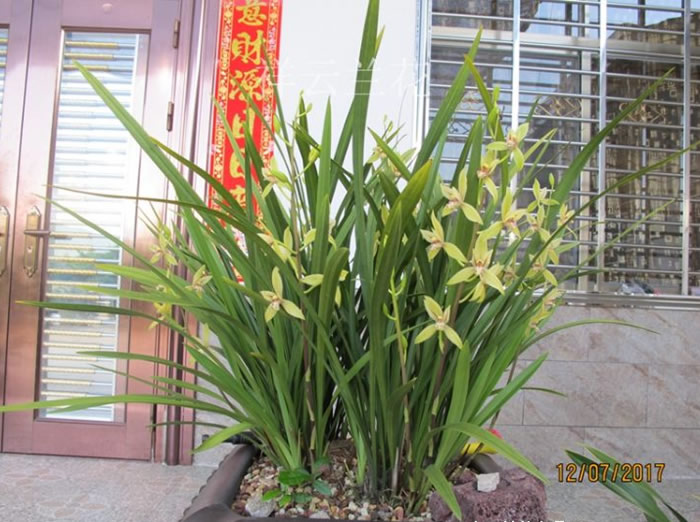
Milk water is more suitable for flowers that prefer slightly acidic soil, such as orchids, jasmine, gardenia and pothos. An occasional application can make the leaves more glossy. However, pay attention to the frequency of use; generally, using it once at a relatively long interval is enough, as too frequent use can easily cause fertilizer damage.
It should be noted that expired milk can only serve as an auxiliary fertilizer and cannot completely replace special fertilizer. For flowers with relatively high nutrient requirements such as orchids, daily care should still be based mainly on decomposed organic fertilizer or special fertilizer, and milk water is safer as an occasional supplement.
Related Reading