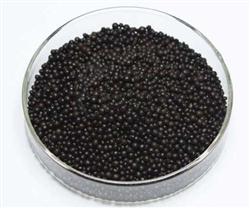
Heavy oil is a high-viscosity fuel oil left over after petroleum refining.
Heavy oil is the residual fuel oil left after petroleum undergoes atmospheric and vacuum distillation; it is dark in color, highly viscous, and high in density, with poor flowability at room temperature. It has a relatively high calorific value and a relatively low cost of use, so it is often used as fuel for boilers, industrial kilns, and similar equipment.
According to source and processing method, heavy oil can generally be divided into atmospheric heavy oil, vacuum heavy oil, and different grades of fuel oil that have undergone blending treatment, and the industry mostly classifies grades by indicators such as viscosity and sulfur content. The higher the viscosity, the more preheating and atomization treatment are needed before use to ensure full combustion of the fuel.
In agricultural production, heavy oil is mainly used in scenarios such as greenhouse heating boilers, grain drying equipment, and stationary boilers in agricultural by-product processing; some large diesel engines and power generation units can also burn heavy oil or its blended oil. Compared with diesel, using heavy oil often requires supporting facilities such as heating, filtration, and transportation, which places certain requirements on the equipment.
When using heavy oil, attention should be paid to environmental protection and safety. Some heavy oil has a relatively high sulfur content, and the combustion exhaust should meet local emission requirements; during storage, leaks and spills should be prevented to avoid polluting the surrounding soil and water sources, and the related equipment should also be inspected and maintained regularly according to procedures.
Related Reading