How to Improve Acidic Soil? A Detailed Guide to Practical Improvement Methods
What harm does acidic soil do to crops? What methods are there to improve acidic soil? We also ask knowledgeable readers to help explain. After many years of long-term fertilizer application, soil generally gradually becomes more acidic or more saline, which adversely affects crop growth. Therefore, Zhongdi Network has compiled the harms of acidic soil...
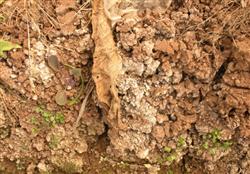 What harm does acidic soil do to crops? What methods are there to improve acidic soil? We also ask knowledgeable readers to help explain
After many years of long-term fertilizer application, soil generally gradually becomes more acidic or more saline, thereby adversely affecting crop growth. Therefore, Zhongdi Network has compiled the harms of acidic soil and improvement methods, listed in detail below for readers' reference.
Harms of acidic soil:
Harm one: Acidic soil reduces the number of beneficial microorganisms in the soil, inhibits the growth and activity of beneficial microorganisms, thereby affecting the decomposition of soil organic matter and the cycling of elements such as nitrogen, phosphorus, potassium and sulfur in the soil. It can also cause the breeding of pathogenic bacteria and increase root diseases. For example, soil acidification will aggravate the breeding and spread of crop root-knot nematode disease, among others.
Harm two: Acidic soil causes the fixation of nutrient elements. For example, when soil pH is lower than 6, the phosphorus fixation rate in red soil rises in a straight line as pH decreases. Because phosphorus is fixed, the effective utilization rate of phosphorus is greatly reduced, becoming one of the serious problems affecting agricultural development.
Harm three: Acidic soil will promote the release, activation and dissolution of certain toxic elements (such as aluminum ions, etc.). For example, aluminum ions in soil can have toxic effects on the growth of wheat seedlings; they also have a great impact on the relative yield of barley. As the content of exchangeable aluminum in soil increases, the relative yield of barley declines in a straight line. Moreover, when crops are planted in acidic soil, it is not easy to achieve a full stand, and stiff seedlings and old seedlings often form, resulting in low yield and poor quality.
Methods for improving acidic soil:
Method one: Use quicklime to neutralize acidity, with a dosage of 40-50 kg per mu, applied evenly during land preparation. Thereafter, reduce the application amount by 1/2 each year until the soil is improved to neutral or slightly acidic soil.>>The role of calcium cyanamide<<
Method two: Plant green manure crops to increase organic matter. For example, apply more organic fertilizer and farmyard manure.
Method three: Increase the number of irrigations (paddy fields can use continuous irrigation) to wash away and leach the harmful effects of acidic substances on crops.
Method four: Plant acid-tolerant crops, such as rice, rapeseed, mulberry, tea, sweet potato, sugarcane and other acid-resistant and acid-tolerant plants.
Method five: Apply alkaline fertilizers. Such as calcium magnesium phosphate fertilizer, phosphate rock powder, plant ash, ammonium bicarbonate, calcium cyanamide, ammonia water, etc., which have a neutralizing and improving effect on acidic soil.
Methods for measuring soil pH
What are the advantages of bio-organic fertilizer?