An Introduction to the Characteristics and Scientific Application Methods of Nitrophosphate Fertilizer
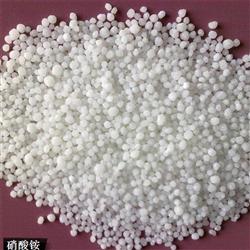
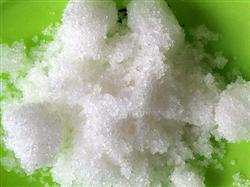
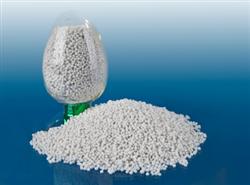
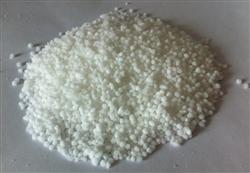
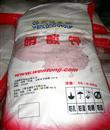
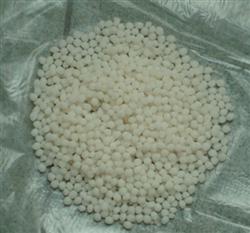
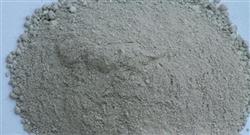
Nitrophosphate fertilizer is a nitrogen-phosphorus compound fertilizer produced by the process of decomposing phosphate rock with nitric acid, and its nutrients contain both nitrogen and phosphorus as the two main elements. Its nitrogen is usually present in two forms, nitrate nitrogen and ammonium nitrogen, while its phosphorus exists in both water-soluble and citrate-soluble forms, allowing it to combine quick-acting and slow-acting effects. In terms of fertilizer efficiency characteristics, nitrate nitrogen takes effect quickly and can be directly absorbed and utilized by crops, while ammonium nitrogen and citrate-soluble phosphorus can continue to supply nutrients over a longer period. Therefore, nitrophosphate fertilizer is both quick-acting and has a certain lasting effect, making it suitable for use as a base fertilizer and topdressing for a variety of dryland crops. When applying it, attention should be paid to adapting measures to local conditions. Nitrophosphate fertilizer is generally suitable for use on neutral or calcareous soils and on dryland, while in paddy fields nitrate nitrogen is prone to leaching with water or to denitrification causing nitrogen loss, so it should be used with caution in paddy fields. When used as a base fertilizer, it can be applied into the soil layer in conjunction with plowing; when used as a topdressing, it is best to apply it in furrows or holes and then cover with soil, and attention should be paid to appropriate deep application to reduce nutrient loss. In terms of storage, nitrophosphate fertilizer has a certain hygroscopicity and should be kept in a cool, dry place; after the packaging is opened, the bag opening should be tied tightly to avoid moisture absorption and caking. It is also not suitable for long-term mixed storage or mixed application with alkaline substances, so as to avoid reducing fertilizer efficiency. Before planting, it can be reasonably combined with other single-element fertilizers according to soil nutrient status and crop needs to achieve balanced fertilization.
Related Reading