Characteristics of Potassium Magnesium Chloride Fertilizer and an Introduction to Scientific Application Methods
Potassium magnesium chloride fertilizer is a chlorine-containing potassium-magnesium compound fertilizer whose main function is to supplement both potassium and magnesium nutrients in the soil at the same time. It combines these two elements in a single product, making it suitable for plots where potassium and magnesium supplies are insufficient or nutrients are unbalanced. Compared with potassium fertilizers that provide a single nutrient, this type of fertilizer can meet more nutrient needs with one application.
In terms of nutrient function, potassium promotes the translocation of photosynthetic products and enhances crop resistance to lodging and stress; magnesium is an important component of chlorophyll, and when magnesium is deficient, leaves often show interveinal chlorosis and yellowing. Therefore, applying potassium magnesium chloride fertilizer on soils deficient in potassium and magnesium has a relatively obvious effect on improving crop growth. It should be noted that this fertilizer contains chloride ions, so chlorine-sensitive or chlorine-avoiding crops such as tobacco, potato and some fruit trees should be used with caution or not at all.
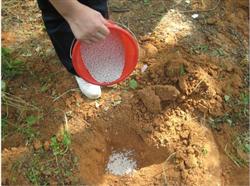
In terms of application, it is generally used mainly as a base fertilizer, and can be applied deeply in combination with tillage and land preparation and then covered with soil, so that nutrients are delivered to the main root distribution layer of the crop and losses are reduced. The fertilizer should not come into direct contact with seeds or seedling roots, so as to avoid burning seeds or seedlings due to excessive local concentration. The specific amount should be determined according to soil fertility, crop type and target yield, and where conditions permit, it is best to test the soil before fertilizing.
There are also considerations when purchasing and storing it. Potassium-magnesium fertilizers on the market come in different types such as chlorine-containing and sulfate types, and should be selected according to whether the crop is tolerant to chlorine. During storage, it should be placed in a dry and ventilated place to prevent moisture and caking, so as not to affect later application. Long-term heavy use of chlorine-containing fertilizers may cause chloride ions to accumulate in the soil, so the amount should be controlled on saline-alkali land or plots with poor drainage, and attention should be paid to applying it together with organic fertilizers so that the fertilizer effect can be brought into fuller play.
Related Reading