What important roles does the calcium element play in crop growth?
What role does the calcium element play in the process of crop growth and development? What effects does the calcium element have within the crop plant? What happens when crops are deficient in calcium? Below, Gengzhongbang Planting Network gives a brief introduction for the reference of netizens. Calcium is a very important mineral element and one of the essential nutrient elements for plant growth and development, in plant...
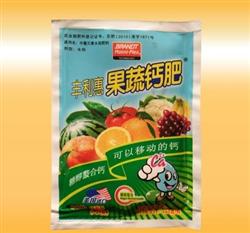 What role does the calcium element play in the process of crop growth and development? What effects does the calcium element have within the crop plant? What happens when crops are deficient in calcium? Below, Gengzhongbang Planting Network gives a brief introduction for the reference of netizens.
Calcium is a very important mineral element and one of the essential nutrient elements for plant growth and development. In plant physiological activities, it both plays the role of a structural component and has the function of an enzyme cofactor. It can maintain the stability of the cell wall, cell membrane and membrane-bound proteins, and participates in the regulation of various growth and development processes within the cell.
I. Forms in which calcium exists in cells
Plants absorb calcium ions from salts such as calcium chloride. Calcium ions are colorless, non-magnetic, and do not participate in any oxidation-reduction reactions. Calcium exists in cells in various forms. When the calcium content in cells is 0.1-10mmol/L, it can be divided into free calcium, bound calcium and stored calcium. Different forms of calcium have different physiological functions. Calcium mainly exists in crop leaves or old organs and tissues, and it is a relatively immobile element.
II. The role of calcium in the plant body
1. The effect of calcium on the structure and function of the cell wall. The cell wall is mainly composed of 3 polysaccharides: cellulose, hemicellulose and pectin. Electron microscopy observations confirm that calcium forms calcium pectate with pectic acid in the cell wall, protecting the structure of the middle lamella in the cell. When calcium exists in the form of calcium pectate in the tree body, it is a component of the cell wall and the intercellular layer. It causes adjacent cells to connect to each other and increases the toughness of the cells. A large number of studies have shown that calcium plays an important role in maintaining the structural stability of plant cells.
2. The effect of calcium on the structure and function of the cell membrane. Calcium can maintain the integrity and stability of the cell membrane. Both the cell membrane and the vacuolar membrane are composed of proteins and fats, and calcium can affect the arrangement of membrane phospholipids and membrane proteins on the inner surface of the cell membrane, thereby maintaining the stability of the membrane structure. Calcium can also reduce the permeability of the membrane, change the selectivity and affinity of the membrane for ions, and has an antagonistic effect on some factors that destroy membrane integrity. Calcium in cells can be divided into several calcium pools that are in dynamic equilibrium. They regulate the extracellular ionic environment and the structure and function of the plasma membrane. When the balance of the calcium pools is disturbed, metabolic disorders occur, causing physiological diseases.
3. The regulatory effect of calcium on enzyme activity within cells. In plant cells, calcium ions act as a second messenger and bind with calmodulin to form a ca2+-calmodulin complex, which can activate NA kinase, cyclic nucleotide phosphodiesterase and Ca-ATPase, etc., and participate in various metabolic activities. Its mechanism is: when plant body cells are stimulated by the external environment, it can cause an increase in cytoplasmic free ca2+, after which ca2+ binds with CaM and becomes activated, acting on the sites of some physiological and biochemical reactions, converting the stimulus information into specific biochemical reactions. Calcium deficiency can cause fruits to respond sluggishly to various external stimuli, leading to the occurrence of physiological diseases.
III. The effect of calcium on the action of plant hormones
The physiological effects of plant hormones are extremely broad, and they regulate and control many physiological and biochemical processes in the growth and development of garden plants. Studies have shown that these effects of plant hormones are related to calcium. Calcium has a modifying effect on the regulatory function of plant endogenous hormones. The response of calcium to hormones not only has an amplifying effect, but in some aspects also has a reducing effect. It is currently known that exogenous high-concentration ca2+ inhibits ethylene production and delays senescence: an increase in cytoplasmic ca2+ promotes ethylene production and accelerates senescence. The effect of calcium on ethylene production is relatively complex, which may be related to the complex factors affecting ethylene production. The effect of calcium on auxin transport is reflected in the auxin binding sites. The first binding site is located on the cell membrane; this binding site can be replaced by other divalent cations, while the second binding site directly participates in auxin secretion and may cause the use of a second messenger. This binding site is specific for calcium. Other plant hormones also have a very close relationship with calcium. For example, spraying apples with kinetin can promote the movement of ca into mature leaves. Some believe its mechanism of action may be delaying leaf senescence, or increasing the transpiration intensity of leaves.
IV. The relationship between calcium and fruit quality
Calcium is an important mineral nutrient element that determines fruit quality. Calcium in fruit exists in two forms, namely apoplastic calcium and protoplasmic calcium. The former is related to the firmness of the fruit and plays a skeleton role in the cell; the latter is related to the toughness of the cell membrane.
1. Calcium and postharvest physiological diseases of fruit: The physiological disorder symptoms of many fruits are closely related to calcium deficiency. Studies have shown that when calcium is deficient, cell function weakens, the fluidity and permeability of the cell membrane change, and the connection between calcium and pectin in the middle lamella is destroyed, thereby affecting the adhesion between cells and causing tissue senescence or necrosis. After harvest, as the storage time of many fruits increases, the degree of ripeness increases, while the pectin in the cell wall degrades and the water-soluble calcium content increases. This greatly reduces the calcium bound in the cell wall, so that the concentration difference between the cell wall region and the cytoplasm is destroyed. This is very unfavorable for maintaining cell function and delaying senescence, leading to aggravation of diseases caused by calcium deficiency.
Preharvest or postharvest calcium treatment plays a good role in preventing or alleviating the occurrence of physiological diseases. The mechanism by which calcium improves fruit resistance may be: (1) Calcium promotes wound suberization. (2) Calcium ions bind with pectin in the cell wall, maintain the cell membrane structure, reduce the permeability of the cell wall, and prevent fruit softening, thereby improving fruit resistance.
2. The relationship between calcium and fruit storage: There have been related studies on the regulatory effect of calcium on fruit ripening and senescence. Many experiments have shown that maintaining a relatively high calcium level in fruit tissue can maintain fruit firmness, reduce the respiration rate, inhibit ethylene production, extend the storage life of the fruit, and improve fruit quality. Treatment of postharvest lychee with cac12 shows that calcium at a certain concentration acts on pectinase and polygalacturonase activity in the fruit, delaying the arrival of the peak of this enzyme activity, thereby delaying fruit senescence. Pears, honey peaches, citrus, bayberry, kiwifruit and apples treated with calcium can all improve fruit quality and extend the storage period.
3. Measures to increase calcium in fruit: Many studies have shown that increasing the calcium content in fruit can significantly reduce the respiration intensity during fruit storage and improve cold resistance. In production practice, preharvest or postharvest calcium treatment is usually used, which has a very good effect on preventing or alleviating the occurrence of physiological diseases. Production practice has proven that supplementing apple trees with calcium can effectively promote fruit coloring and the formation of wax on the fruit surface, reduce the occurrence of pests and diseases, and greatly improve fruit quality.
The above is the introduction by Gengzhongbang Planting Network on the role calcium plays in crop growth and development. If you have better additions, please leave a message below to tell us.