How to use wood ash effectively? A detailed guide to the correct method
What nutrients does wood ash contain? What are the characteristics of wood ash? What should be noted when applying wood ash? The following is a brief introduction from Gengzhongbang Planting Network for readers' reference. In rural areas, crop straw and firewood are mostly used as fuel, and the ash left after burning is all called wood ash. This is the main source of potassium fertilizer in rural areas...
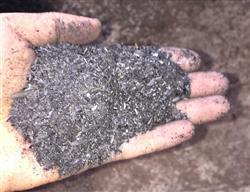 What nutrients does wood ash contain? What are the characteristics of wood ash? What should be noted when applying wood ash? The following is a brief introduction from Gengzhongbang Planting Network for readers' reference.
In rural areas, crop straw and firewood are mostly used as fuel, and the ash left after burning is all called wood ash. This is the main source of potassium fertilizer in rural areas. It can not only be used as a base fertilizer for crops such as sweet potato and wheat, but can also be used as a seed fertilizer for legumes. The composition of wood ash is quite complex. The ash elements contained in plants are all present in wood ash, such as phosphorus, potassium, calcium, magnesium and sulfur, among which potassium, phosphorus and calcium are relatively abundant, generally containing 5%-10% potassium. Regardless of which plant the ash comes from, the potassium it contains is soluble and quick-acting, and can be directly absorbed and used by crops.
Wood ash is an alkaline fertilizer. The following four points should be noted during use and storage:
1. Wood ash is an alkaline fertilizer and should not be stored or mixed with ammonium sulfate and ammonium nitrate. Ammonium sulfate, ammonium nitrate and ammonium bicarbonate are all ammonium nitrogen fertilizers. If they are mixed with wood ash, the nitrogen in the nitrogen fertilizer will turn into ammonia gas and escape. When wood ash is used at the same time as acidic fertilizers, be sure not to mix them together.
2. Wood ash should not be stored together with human excrement and urine or livestock manure and urine. In rural areas, it is customary to pour wood ash into latrines or pig pens for storage, but this practice is wrong. Livestock manure and urine, human excrement and urine, etc. are slow-acting acidic nitrogen fertilizers. If alkaline wood ash is poured onto acidic livestock manure and urine or human excrement and urine, the acid-base neutralization causes ammonia to volatilize, thereby reducing fertilizer efficiency. If wood ash is stored together with livestock manure and urine for 1 week, more than half of the ammonium nitrogen in the manure and urine can be lost. The longer the storage time, the greater the nitrogen loss.
3. The nutrients in wood ash are easily soluble in water. To preserve the ash, it should be stored separately in a place protected from wind and rain, such as an ash storage room or ash shed, to prevent wind and rain from reaching it. After being exposed to rain, the potassium in the ash will suffer serious loss.
4. Wood ash also should not be stored or mixed with superphosphate, as mixing will reduce the availability of phosphorus.
The above is Gengzhongbang Planting Network's introduction to the characteristics of wood ash and the precautions for its application. If you have better additions, please leave a comment below to tell us.