Nutrient Characteristics and Application Methods of Compound Fertilizers Specifically for Rice
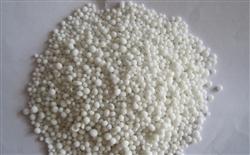
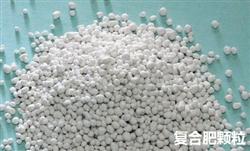
Compound fertilizers specifically for rice are formulated according to the nutrient requirements of rice. They generally use nitrogen, phosphorus and potassium as the main nutrients, combined in proportions suited to rice, and some products also add elements such as zinc and silicon. What sets them apart from general-purpose compound fertilizers is that the nutrient ratio better matches the uptake characteristics of rice during key growth stages such as tillering, stem elongation and heading, with the aim of matching nutrient supply to the growth rhythm.
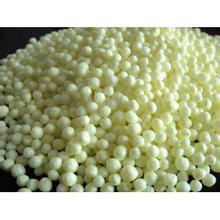
In terms of types, the rice-specific compound fertilizers commonly seen on the market include chlorine-based and sulfur-based series, and some manufacturers supply them as blended fertilizers mixed on site according to a formula. In recent years, coated slow-release compound fertilizers have also appeared, with a gentler release of nutrients that can appropriately reduce the number of topdressings, making them relatively friendly to growers short of labor. When purchasing, you can weigh conventional types against slow-release types according to soil conditions and cultivation habits.
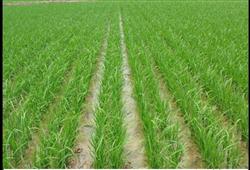
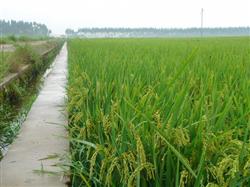
In terms of application, this type of fertilizer is mostly used as a base fertilizer, generally applied into the plow layer together with land preparation before transplanting, after which nitrogen and potassium fertilizers are topdressed as a supplement at the tillering stage or heading stage according to seedling condition. The application rate should match soil fertility, planting density and target yield, avoiding applying too much nitrogen at one time, which can cause excessive vegetative growth, lodging, or delayed maturity with continued greenness.
A few points also need attention during use: foliar fertilizer is best sprayed on cloudy days or in the evening, and the concentration must not be increased at will, so as to avoid scorching the leaves; compound fertilizers and blended fertilizers each have their own characteristics in nutrient uniformity and method of use, so before buying you should check clearly the nutrient content and registration information stated on the package. Overall, only when combined with measures such as proper water management and field drying can rice-specific compound fertilizers give full play to their fertilizer efficiency and help paddy fields achieve stable yields.
Related Reading