Agricultural potassium chloride is a quick-acting potassium fertilizer; before applying it, you need to understand the chloride tolerance of the crop.
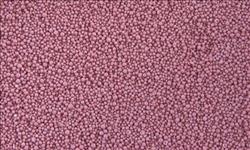
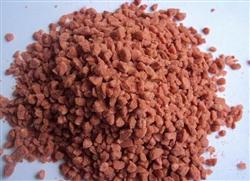
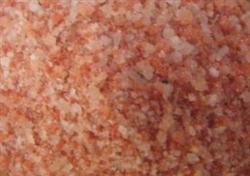
Agricultural potassium chloride is a potassium fertilizer whose main component is potassium chloride, and it is also one of the most widely used potassium fertilizer varieties in agricultural production. It usually appears as white, light yellow or slightly reddish crystals or granules, is readily soluble in water, and releases nutrients quickly. Calculated as potassium oxide, its potassium content is usually above 50 percent, making it a high-concentration quick-acting potassium fertilizer.
In terms of characteristics, agricultural potassium chloride has a fast fertilizer effect and a high potassium content, and can be used as a base fertilizer or a topdressing, but it is generally not suitable as a seed fertilizer, lest the high-concentration nutrients and chloride ions affect seed germination. It is a physiologically acidic fertilizer, and long-term application alone on acidic soil can easily worsen soil acidification, so it is recommended to apply it together with organic fertilizer and, when necessary, to apply an appropriate amount of lime and other alkaline materials to adjust soil acidity.
Whether it can be used depends mainly on the chloride tolerance of the crop. Field crops with strong chloride tolerance, such as rice, wheat, corn and cotton, are suitable for potassium chloride application; while chloride-sensitive crops such as tobacco, potato, sweet potato, watermelon, grape and tea are sensitive to chloride, and application may affect quality, so it is better to switch to other potassium fertilizers such as potassium sulfate. Saline-alkali land and plots with poor drainage should also be used with caution, so as to avoid chloride ion accumulation worsening salt damage.
Compared with potassium sulfate, agricultural potassium chloride has a comparable potassium content and a relatively lower cost, making it suitable for large-scale use on field crops. During storage it should be kept in a dry, ventilated place to prevent moisture absorption and caking; when used as a base fertilizer, it should be applied deeply and early and covered with soil, so that chloride ions are leached into the lower soil layer with irrigation or rainfall, reducing their impact on crop roots.
Related reading