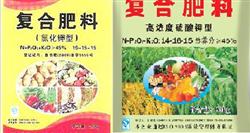
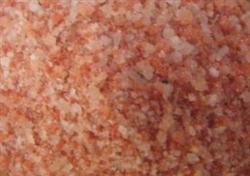
Potassium ammonium chloride is a compound fertilizer containing nitrogen and potassium, suitable for application to chlorine-tolerant crops.
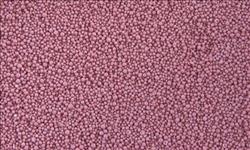
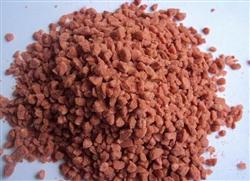
Potassium ammonium chloride is a binary nitrogen-potassium compound fertilizer with ammonium nitrogen and potassium as its main nutrients, usually made by processing and granulating two single fertilizers, ammonium chloride and potassium chloride. The product is mostly white or slightly yellow crystals or granules, easily soluble in water; after application to the soil, the nutrients are released relatively quickly and the fertilizer effect is fairly rapid.
Since both nutrients exist in chloride form, potassium ammonium chloride has a relatively high chlorine content and is a typical chlorine-containing compound fertilizer, while the ammonium nitrogen gives it a certain physiological acidity. This type of fertilizer has a high nutrient concentration and a relatively low cost, but it is strongly hygroscopic, so it should be stored in a dry, ventilated place during storage to prevent caking and deliquescence.
In terms of suitable crops, potassium ammonium chloride is suitable for rice, corn, cotton, hemp, rapeseed and other crops with strong chlorine tolerance, and it is relatively common in paddy fields, where chloride ions can be leached away with the surface water and are not likely to accumulate in the soil. Chlorine-sensitive crops such as tobacco, potato, sweet potato, grape, watermelon and citrus should not be treated with it, so as not to affect product quality; saline-alkali land or plots with poor drainage should also be used with caution.
In practical use, potassium ammonium chloride can be applied as a base fertilizer or a topdressing. When used as a base fertilizer, it should be applied deeply and mixed evenly with the soil, avoiding direct contact with seeds and roots. Because it contains ammonium nitrogen, it should not be mixed in large amounts directly with strongly alkaline fertilizers such as plant ash and lime, to prevent nitrogen loss through ammonia volatilization. For plots where chlorine-containing fertilizers have been applied over a long period, organic fertilizer can be applied in combination, and the choice can be reasonably matched with potassium sulfate-based compound fertilizers according to the chlorine tolerance of the crop.
Related Reading