The Role of Sulfur-Magnesium Fertilizer and an Introduction to Correct Application Methods
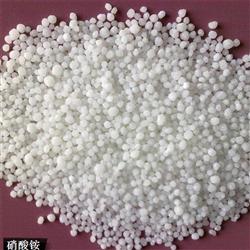
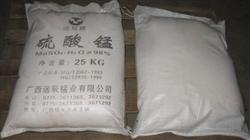
Sulfur-magnesium fertilizer is a general term for a class of fertilizers that can supply crops with two nutrients at the same time, sulfur and magnesium. Its common form is magnesium sulfate, including magnesium sulfate monohydrate, anhydrous magnesium sulfate and others. Magnesium is a core component of the chlorophyll molecule and directly participates in photosynthesis, while sulfur is an important raw material for proteins and various enzymes. Applying the two together helps plants grow vigorously and keeps leaves dark green.
Sulfur-magnesium fertilizer has good water solubility and takes effect relatively quickly. It can be applied to the soil as a base fertilizer, and can also be used for topdressing and foliar spraying. It is especially suitable for acidic soils, sandy soils, and areas with heavy rainfall where nutrients are easily leached. Crops with relatively high magnesium requirements, such as citrus, banana, vegetables, potato and tobacco, show fairly obvious results after application.
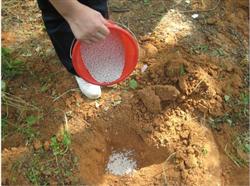
When used as a base fertilizer, it can be combined with organic fertilizer or other chemical fertilizers, spread evenly and then plowed into the soil; deep application helps preserve nutrients and promotes root uptake. When used as a foliar fertilizer, pay attention to controlling the concentration and choose a period with suitable temperatures for spraying, avoiding operation under high temperature and strong light to prevent leaf burn. At the same time, note that excessive application of potassium fertilizer and ammonium nitrogen can inhibit crop uptake of magnesium, so when combining multiple fertilizers, all factors should be taken into overall consideration.
To judge whether sulfur-magnesium fertilizer needs to be supplemented, you can observe plant growth. When magnesium is deficient, the areas between the veins of old leaves often lose green and turn yellow while the veins remain green, whereas sulfur deficiency mostly appears first on new leaves. Application should not be excessive, so as to avoid soil salt accumulation or nutrient imbalance. During storage, it should be kept in a dry place to prevent moisture and caking from affecting use.
Related Reading