The Characteristics and Uses of Sodium Humate
Sodium humate is the sodium salt of humic acid, a natural organic macromolecular compound mostly made from lignite, weathered coal or peat as raw materials, processed through alkali extraction and other techniques. It commonly appears as a black powder, flakes or granules, is readily soluble in water, and its aqueous solution is weakly alkaline. It is a common humic acid fertilizer raw material in agricultural production.
In terms of characteristics, sodium humate contains various active functional groups such as carboxyl and phenolic hydroxyl groups, and has strong adsorption, complexation and ion exchange capacity. After being applied to the soil, it can promote the formation of soil aggregate structure, improve compaction, and enhance water and fertilizer retention, while also activating some nutrients in the soil and reducing their loss.
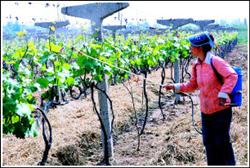
In terms of application, sodium humate can be used in many ways, including base application, flushing application, root dipping, seed soaking and foliar spraying. When used as a foliar fertilizer, it generally needs to be diluted to a suitable concentration before spraying, and it is often combined with fertilizers such as urea and potassium dihydrogen phosphate to help crops absorb nutrients better, promote root growth, and enhance stress resistance such as drought and cold tolerance. It is widely used on fruit trees, vegetables and field crops.
A few points need attention when using it: first, strictly control the concentration, as too high a concentration may inhibit seed germination or burn leaves; second, sodium humate is an auxiliary fertilizer and cannot replace the basic nutrient supply role of organic fertilizer and compound fertilizer, so it should be applied in combination with them; third, when storing, take care to prevent moisture and caking, and aqueous solutions are best prepared and used immediately. Reasonable use of sodium humate has a positive effect on building soil fertility and promoting crop growth.
Related Reading