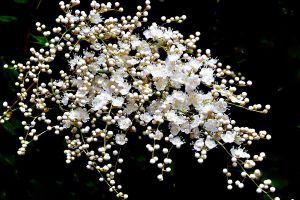
Violet Flower Language and the Meanings of Different Colors Explained
The violet flower language refers to the symbolic meanings that people have attached to this flower. Violets have compact blooms and soft colors, with common varieties in purple, white, pink and blue, and they are a familiar flower in courtyard cultivation and cut-flower arrangements, which is how their flower language spread as well.
The most central flower language of the violet is eternal love and beauty, and it also carries meanings of simplicity, virtue and humility. Because its fragrance is delicate and its bearing is dignified, it is often used to express sincere and lasting affection, making it suitable for confessions, anniversaries, or gifts to someone you hold dear.
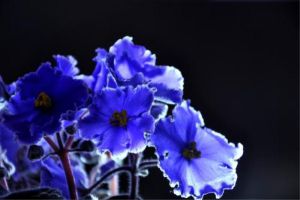
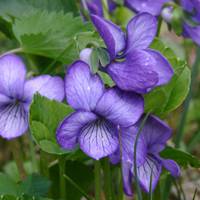
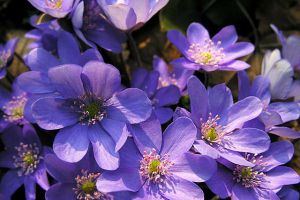
Violets of different colors place slightly different emphasis in their flower language. Purple violets mostly symbolize eternal love and romance, blue violets often represent loyalty and protection, white violets signify purity and simplicity, and pink violets carry a warm, tender emotional tone. Before giving flowers, you can choose a suitable color according to the occasion and the recipient, so that your feelings are expressed more aptly.
Besides ornamental value and emotional expression, violets are also widely used in daily life, for flowerbed arrangements, potted cultivation and cut flowers in vases. In terms of care, they generally prefer a cool, airy environment with ample light, and watering should follow the principle of watering when dry and stopping when wet, avoiding waterlogging that causes root rot. It should be noted that the common African violet on the market belongs to a different group of plants; although the names are similar and the care methods differ, the meanings they convey are broadly similar, so you can pay attention to distinguishing them when buying and caring for them.
Related Reading