Echeveria Flower Meaning and Legend Origin Explained
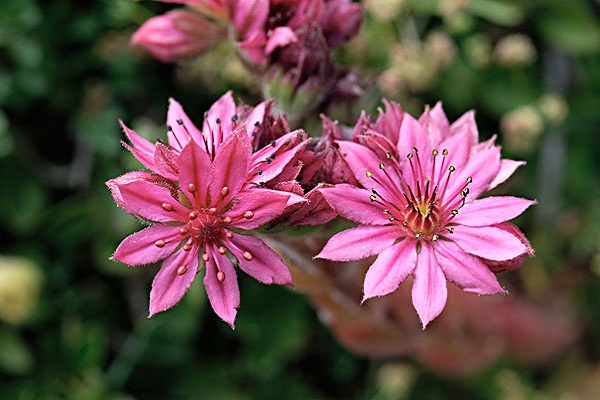
1. Flower Meanings
The first is "tenacity." This is a spirit of not changing one's original intention, striving for it, not abandoning or betraying, and remaining firm and unshakable.
The second is "wealth and honor." Many people hope that in the future they can be wealthy and honored and become people of wealth and honor. Words such as great wealth and great honor also often appear in New Year greetings, carrying a meaning of good wishes.
The third is "eternity." People all long for things that never change and always exist, but there are so many eternal things in the world; only feelings such as family affection, love, and friendship can be eternal when treated sincerely.
The fourth is "love that never fades." If love is compared to a plant, then love is the most beautiful flower in the world. A love that never changes heart and lasts long is love that never withers.
Based on the above flower meanings, it is suitable as a gift for our friends, relatives, or loved ones. When they have persisted for a long time without reward, that is, at the point when they are about to give up, it can help them regain courage; on an anniversary with a loved one, giving one plant implies "lasting forever."
2. Legend
There are many different versions of the legend about it. Here, only one relatively common one is briefly introduced.
According to legend, to the north of the place where this flower appeared there was an ancient temple dedicated to Guanyin, and to the west there was a mountain shaped like a screen. On it was a stone plate, and in the plate was a huge stone hollow. It was full of water all year round and never ran dry. At night, the stone hollow often emitted a dazzling light, and over time it was called the Lamp Hollow. On this stone slab there were two holes shaped like the bound feet of women, said to belong to divine beings, hence the saying, "Guanyin manifests and the lotus blooms; the jade maiden holds incense and lights the lamp." The so-called "lotus" refers to the plant we are talking about today.