Methods and Care Tips for Growing Lotus
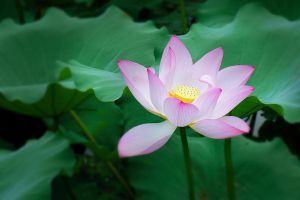
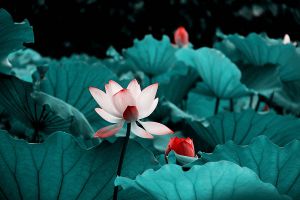
Lotus is a perennial aquatic plant of the genus Nelumbo in the family Nelumbonaceae. It is also called lotus flower or water hibiscus. Its underground stem is the familiar lotus root, and both its flowers and leaves grow up above the water surface. It prefers a still-water environment with plenty of sunlight and clean water, blooms in summer, and has large, brightly colored flowers. It can both decorate courtyard water surfaces and is also suitable for small-scale growing at home in tubs or pots.
Lotus is commonly planted using seed lotus roots. Choose a robust seed lotus root with a terminal bud, spread a layer of pond mud on the bottom of the tub, and bury the lotus root diagonally in the mud with the terminal bud facing up. First add shallow water, and after the leaves emerge, gradually deepen the water level. Lotus seeds can also be sown. The seed coat is hard, so it needs to be filed open with a small opening and then soaked to promote germination. After seedlings emerge, move them into mud for care.
In terms of varieties, there are both large lotus plants suitable for pond planting and bowl lotus with a compact plant type that can be grown in small pots. For home balcony planting, it is best to choose small plant types, and the container mouth should be wide enough to ensure that both leaves and flowers can spread normally.
In daily care, light is the key to flowering. Try to ensure long periods of direct sunlight every day; lack of light easily leads to only leaves growing and no flowers. The water level should be relatively stable, avoiding alternating drought and flooding. During the growing period, a small amount of fertilizer can be added, but it should not be excessive, so as not to burn the seedlings.
In summer, aphids and other insect pests are common. Once found, they should be cleaned up or controlled promptly. After the flowers fade, cut off the spent flowers, which helps nutrients return to the plant. After winter begins, the aboveground parts wither. As long as the seed lotus roots in the mud are kept from freezing, they can sprout again the following year.
Related Reading