Grow String of Pearls This Way for Plump, Round Beads
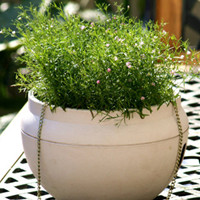
String of Pearls (Senecio rowleyanus) is a succulent in the aster family, genus Senecio, native to the arid regions of southern Africa. Although its name contains the word "spider plant," it is not the same type of plant as the true spider plant. Its leaves have been reduced to round green beads, densely arranged along slender trailing stems; when hung up, they cascade like strings of beads, which is why it is also called String of Beads, String of Tears, or String of Pearls.
The String of Pearls commonly found on the market can be roughly divided into two types by leaf shape: one has leaves as round as small beads, usually called String of Beads; the other has slightly longer leaves with a somewhat pointed tip, shaped like a teardrop, and is mostly called String of Tears. The two have similar habits and basically the same care methods.
For everyday care, String of Pearls likes bright, indirect light and should be kept out of the scorching summer sun. When light is insufficient, it tends to grow leggy, and the spacing between the beads noticeably widens. It is drought-tolerant and afraid of waterlogging, so it is best planted in loose, airy, well-draining soil. Water according to the principle of waiting until the potting soil is completely dry before watering again. In summer and winter, reduce the amount of water further and maintain good ventilation.
Propagation is mainly by cuttings: cut a stem segment with a few nodes, lay it flat on the surface of slightly moist soil, keep it in indirect light with good ventilation, and move it to normal care once it has rooted. The most common problem in cultivation is root rot caused by overwatering. If the stems and leaves become soft and wilted, first check the moisture of the potting soil. As a hanging potted plant, it has a small and distinctive form; placed on a windowsill, balcony, or bookshelf, it adds lively greenery to the interior.
Related Reading