There are many varieties of roses; let us introduce you to the common types of roses
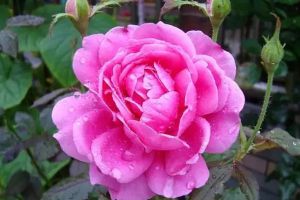
The rose is one of China's traditional famous flowers and also one of the most widely cultivated ornamental flowers in the world. Through long-term hybridization and selection, rose varieties have reached tens of thousands, with flower colors covering red, pink, yellow, white, purple and various bicolors, and flower forms ranging from single to double. Different varieties differ noticeably in plant form, fragrance, disease resistance and flowering habits, so understanding variety classification is very helpful for both selection and care.
In terms of plant form, roses can be roughly divided into several major categories: shrub roses, climbing roses, miniature roses and tree roses. Shrub roses have a compact form and are suitable for garden beds or large pots; climbing roses have soft, slender branches and are often used for flower walls, arches and fence shaping; miniature roses are small and delicate, making them a popular choice for balcony pots; tree roses form an independent trunk through grafting, and from a distance look like a small tree in bloom, with a very striking ornamental effect.
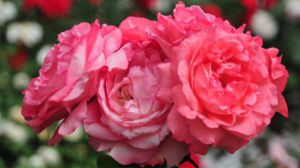
As for specific varieties, Pierre de Ronsard is known for its cup-shaped flowers with a pink-to-white gradient and is suitable for creating a romantic flower wall; Double Delight has red-and-white bicolored flowers and a rich fragrance, making it a classic fragrant rose; Juicy Balcony has bright orange-yellow flowers and good reblooming, and is deeply loved by balcony growers; Queen of Sweden has a graceful and elegant flower form and is a representative among shrub roses. When choosing, you can consider flower color, fragrance type, plant height and local climate together.
When selecting rose varieties, besides looking at flower color, pay even more attention to disease resistance and reblooming. Rainy southern regions should choose varieties tolerant of heat and humidity and resistant to black spot, while cold northern regions should pay attention to cold hardiness. In daily care, sufficient light, good ventilation and timely pruning are common needs for most varieties. As long as you choose the right varieties and use the right methods, your roses at home can keep blooming.
Related Reading