Rose varieties are rich and diverse, and different types each have their own characteristics
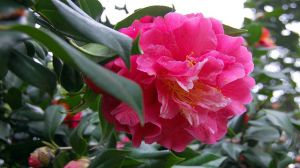
Roses belong to the genus Rosa in the family Rosaceae. Horticultural cultivars are extremely rich, making them one of the most widely grown flowers in the world. Through long-term hybridization and selection, roses have differentiated into many types in flower form, flower color, plant shape and flowering habit, and they can usually be classified by plant form and use.
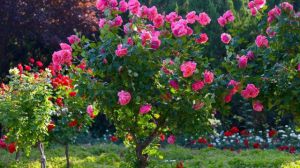
Common rose varieties are broadly divided into several categories, including climbing roses, shrub roses, miniature roses, cut-flower roses and ground-cover roses. Climbing roses have slender, flexible branches and are suitable for training onto walls or building flower frames and flower hedges; shrub roses have a full plant shape and bloom readily, and can adapt to both garden planting in the ground and container growing on balconies; miniature roses are short in stature with delicate flowers and are suitable for placement on windowsills and other small spaces.
Cut-flower roses have straight flower stalks and neat flower forms, and are a common type in the fresh-cut flower market; ground-cover roses have creeping branches and strong coverage ability, and are mostly used for slope and edge greening. In addition, there are also tree roses produced by grafting, with a unique tree shape and distinctive ornamental effect.
Although varieties differ, roses generally like an environment with ample sunlight and good ventilation, and most modern varieties have the ability to bloom in all four seasons. When choosing, you can decide based on the planting space and local climate conditions. If space is ample, climbing or shrub varieties can be chosen; if space is limited, miniature roses are more suitable.
In daily care, it should be noted that roses are relatively prone to black spot disease and powdery mildew, and are also often troubled by aphids and red spider mites. Only by maintaining ventilation and light transmission, promptly pruning residual branches and diseased leaves, and combining this with reasonable watering and fertilizing can the characteristics of the chosen variety be fully displayed.
Related Reading