Characteristics and Growing Methods of the Elaeagnus Fruit, a Sweet-and-Sour Specialty Fruit
The Elaeagnus fruit is the fruit of plants in the Elaeagnaceae family, commonly known among the public as "yangnaizi" (goat milk fruit), and the species referred to vary slightly from place to place. Most belong to the genus Elaeagnus as evergreen shrubs, growing mainly in warm southern regions such as Yunnan and Guangxi.
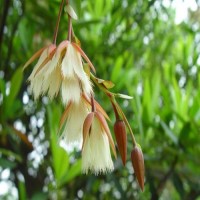
Its fruit is oblong, and when ripe the skin turns bright red, covered with fine silvery-white scales; the flesh is sweet-and-sour and juicy, and can be eaten fresh directly. The branches and leaves of the plant bear silvery-gray scales, and the leaves stay evergreen all year round; when the plant is bearing fruit, the red berries dot the branches, giving it good ornamental value as well.
The Elaeagnus fruit generally blooms in autumn and winter, and the fruit mostly ripens between spring and summer of the following year. It prefers a warm, sunny environment and is fairly adaptable, tolerating drought and poor soil. It is not demanding about soil, but loose, well-drained soil is best; during care, be careful to avoid waterlogging that causes root rot.
Propagation is mostly done by two methods, sowing and cuttings. After planting, management is relatively simple; fertilizer can be supplemented appropriately during the fruiting period, and one pruning after harvest is enough to maintain ventilation and light penetration. In some places it is also cultivated as a courtyard fruit tree or landscaping tree, combining ornamental value with edible use.
Besides being eaten fresh, ripe Elaeagnus fruit can also be processed into juice, jam, candied fruit, or brewed into fruit wine, each with its own distinctive flavor. It is a quite popular specialty fruit.
Related Reading