What are the characteristics of lemongrass? A complete guide to this aromatic crop
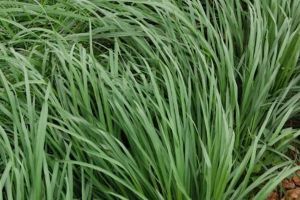
Other names for lemongrass
Lemon grass
Growing habits of lemongrass
Lemongrass is native to the tropical regions of Southeast Asia. It prefers hot, rainy climates and grows well in areas with no frost or little frost.
Because of its well-developed root system, it is drought-tolerant and tolerant of poor soil, and its cultivation is relatively low-maintenance.
Temperature is the limiting factor for the distribution of lemongrass in China. Even a light frost causes frost damage to the leaf tips, and when the temperature drops to -1.8°C, almost all the leaves are damaged.
Therefore, it is difficult for lemongrass to survive the winter in places with long periods of low winter temperatures and severe frost damage. Lemongrass generally must be replanted once every 3 years.
The benefits of lemongrass
It is quite effective for treating rheumatism, and it also treats migraines, fights infection, improves digestive function, deodorizes, and repels insects. It fights infection, tones the skin, and helps care for oily, unclean skin.
It imparts a fresh feeling and restores physical and mental balance (especially during the early stages of recovery from illness).
It is the most widely used essential oil in aromatherapy and medical treatments. It can also be used indoors as an air freshener.
The flower meaning of lemongrass
A love that cannot be spoken