An Analysis of the Morphological Characteristics and Care Essentials of Schefflera Leaves
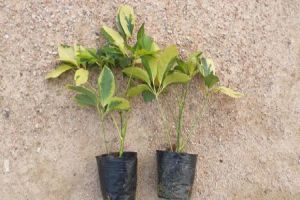
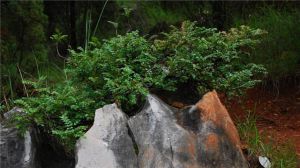
Schefflera leaves are the leaves of the plant Schefflera octophylla in the Araliaceae family, commonly known as the umbrella tree or octopus tree. Its leaves are palmately compound, usually with six to nine leaflets arranged around the tip of the petiole, forming a shape like an open duck's foot, which is how the plant got its name. The leaflets are mostly elliptical or obovate-elliptical, leathery and glossy, deep green in color, and highly ornamental.
Among cultivated types, the green-leaf variety is the most common, while there are also variegated varieties with yellow-white markings on the leaves. The markings make the leaf color more layered, but growth is generally a little slower than that of the green-leaf varieties. Regardless of the type, the leaves remain evergreen year-round, making this a commonly used foliage plant for indoor greening and courtyard landscaping.
In terms of care, Schefflera leaves prefer a warm, humid environment with bright, indirect light. They dislike intense direct sunlight, and should not be kept in overly shaded corners for long periods. Watering should follow a wet-dry cycle; long-term waterlogging of the potting soil easily causes root rot, after which the leaves turn yellow, blacken, and even drop off. In winter, when temperatures are low, keep the plant warm and reduce watering. When the air is dry, mist the leaf surface to increase humidity, and keep the environment well ventilated.
If the leaves turn black, yellow, or drop off in large numbers, it is usually related to overwatering, insufficient light, poor ventilation, or sudden temperature changes. You can first check the state of the potting soil and root system, then adjust your care approach accordingly. Schefflera leaves stay green all year and are easy to maintain; they can be grown in pots to accent a room and are also often used as foliage in flower arrangements, offering outstanding ornamental and practical value.
Related Reading