How to Water a Cactus: Master "Dry Then Wet" for Healthy Growth
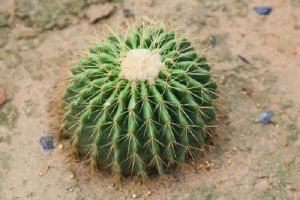
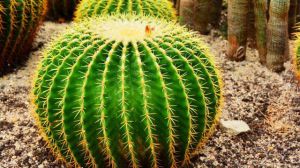
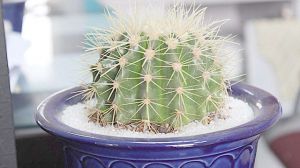
The cactus (globular cactus) is a succulent in the Cactaceae family, native to arid regions. Its round body can store water and it is naturally drought-tolerant and prone to rot from waterlogging, so when it comes to watering, the rule is to err on the dry side rather than the wet side. Many cacti do poorly not because they lack water, but because watering too often causes root rot.
The general principle of watering is: don't water until dry, and when you do water, water thoroughly. To judge the timing, first check the potting soil; if the surface has turned pale, the pot feels noticeably lighter when you lift it, or a bamboo skewer inserted into the soil comes out with no moisture on it, it's time to replenish water. When watering, pour slowly around the edge of the pot until water runs out of the drainage holes at the bottom, and try not to splash the body, especially the growing point at the top, since standing water there easily causes rot.
The watering rhythm also differs by season. Spring and autumn are the peak growing seasons, so once the soil has dried out completely, water thoroughly right away. In the high heat of summer, some varieties enter a semi-dormant state, so watering should be reduced and ventilation increased. In winter, when temperatures are low and evaporation is slow, keeping the potting soil on the dry side is safer. A cactus that has just been repotted or newly bought is in its acclimation period, and since its roots absorb water poorly, it should also be watered sparingly.
Note that a soft, wrinkled body does not necessarily mean it lacks water; it may also mean the roots have a problem. You can take it out of the pot and check the roots first before deciding whether to water. After watering, place it in a ventilated spot with light, and avoid muggy, damp conditions. With loose, breathable gritty soil and a good "dry then wet" rhythm, your cactus will grow round and plump.
Related Reading