How to grow a cactus fast? A full breakdown of care tips
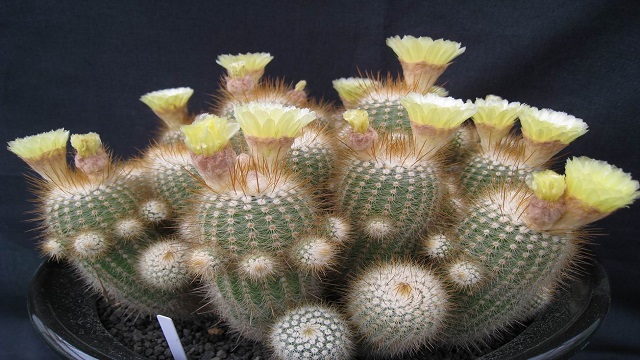
1. Flower pot and soil
Try to choose a flower pot with good air permeability, such as a ceramic pot or a purple clay pot. If using a plastic pot, try to choose a substrate with larger particles. The soil should also be breathable, and pay attention to drainage and nutrient content. Potassium phosphate, etc. can be used as a base fertilizer, which will make the plant grow faster. After about two to three years, the soil will clump, and at this time it needs to be repotted.
2. An appropriate amount of fertilizer
With the help of nutrient solution, it will grow faster. Besides ordinary nutrient solution, a kind of "strong-root water" can also be used. It is also similar to a fertilizer, but it mainly targets the roots and helps the root hairs grow.
3. Scientific watering
The overall principle is "do not water if not dry," which can meet the requirements. Specifically, there are differences in each season. In spring, about once every half a month; in summer, once a week; in autumn, about once every twenty-odd days. Rainwater can be used for watering.
4. Sufficient light
Light has a great influence on its growth rate. Except when the temperature is above 36 degrees and shading is needed, at other times let it receive as much light as possible.
5. Suitable temperature
The most suitable temperature is around 20 degrees; do not let it be too high or too low. The temperature difference should also be controlled and not too large.
6. Regulating humidity
At night, increase the humidity to help the plant absorb carbon dioxide. During the day, lower the humidity to avoid a decrease in transpiration.
7. Preventing pests and diseases
Focus on prevention. Diseases mainly include "anthracnose," etc., and pests mainly include "scale insects," etc. Controlling moisture and ventilating in time are the main methods of prevention.