A Detailed Guide to the Growth Habits and Daily Care of the Radermachera sinica (China Doll)
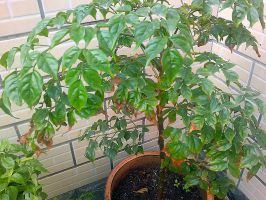
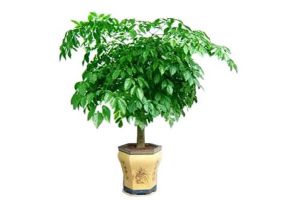
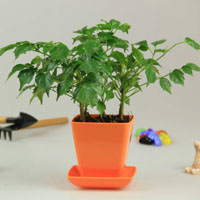
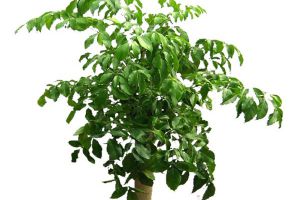
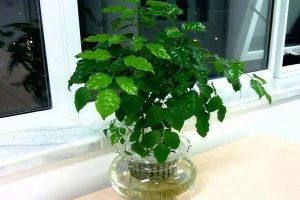
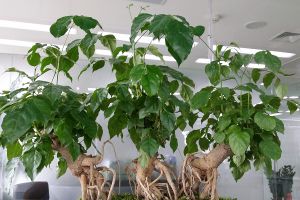
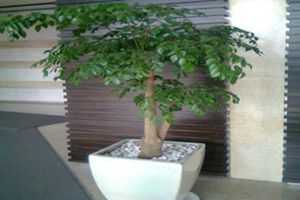
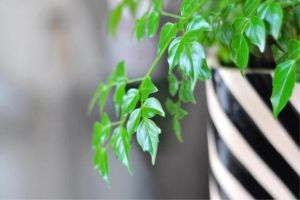
The Radermachera sinica (China Doll) is an evergreen woody plant in the genus Radermachera of the family Bignoniaceae, with the scientific name Radermachera sinica. It is native to southern China and parts of Southeast Asia. Its stems are upright, its leaves are pinnately compound with opposite leaflets, and the foliage is deep green and glossy, giving the whole plant an open, attractive shape. Because its name carries an auspicious meaning, it is often placed as a large potted plant in living rooms, offices and similar spaces, and it is a very popular indoor foliage plant.
The Radermachera sinica likes a warm, humid environment. It needs ample light but is also slightly shade-tolerant. It fears the cold in winter, so attention must be paid to keeping it warm and protecting it from freezing. It is not demanding about soil, but a loose, fertile, well-drained, slightly acidic sandy loam is best; it can be made by mixing leaf mold with garden soil and river sand. Strong direct sunlight in summer easily scorches the leaves, so it is best placed in a spot with bright, indirect light.
For daily watering, water when the soil is dry and let it dry out between waterings; long-term waterlogging in the pot can easily cause root rot. When the air is dry, mist the leaves and the surrounding area to increase humidity. During the growing season, a small amount of dilute liquid fertilizer can be applied to promote the growth of stems and leaves; when the temperature is low, fertilizer should be reduced or stopped. Rotate the pot regularly so the plant receives light evenly, and the plant shape will become more symmetrical and full.
The most common problems in care are wilting, drying out or yellowing leaves, which are mostly related to overwatering, insufficient light, dry air or sudden temperature changes. Environmental factors should be checked first before adjusting the care method. The Radermachera sinica and the Radermachera hainanensis are similar in appearance and easily confused; there are certain differences between the two in leaf form and plant habits, so care should be taken to distinguish them when buying. As long as a good balance is maintained among water, light and temperature, the Radermachera sinica will keep its foliage glossy green and grow vigorously.
Related Reading