What Plant Is the Happiness Grass: Characteristics, Symbolism and Home Care Tips
Happiness grass is a folk common name for a group of small herbaceous foliage plants, most commonly referring to plants of the Oxalis genus. Its leaves usually consist of three heart-shaped leaflets, and occasionally a variant with four leaflets appears, which is why it has been given the lovely meaning of luck and happiness. It is often kept as an auspicious little potted plant on windowsills and desks, and is very popular among home gardeners.
These plants are small and compact in form, and their leaf color includes both the common green and more ornamental purple varieties. It has an interesting habit: when there is plenty of light, the leaves spread open, and at night or in dim light they slowly fold together. During the flowering period it sends up slender flower stalks and produces small yellow, pink or white flowers, blooming continuously with a nice ornamental effect.
As for care, happiness grass likes bright indirect light and is best planted in loose, well-drained soil. Water it according to the principle of watering when dry and letting it dry out between waterings, and by no means let the potting soil stay waterlogged for long, which causes root rot. During the growing season, keep the environment warm and well ventilated, and in winter take care to protect it from the cold. When the temperature is too low, the aboveground parts may wither, but the underground rhizomes generally survive and will sprout again after the weather warms up the following year.
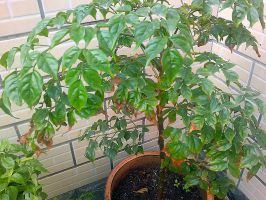
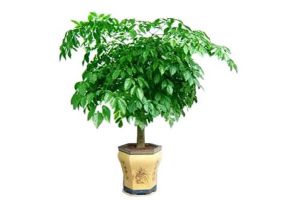
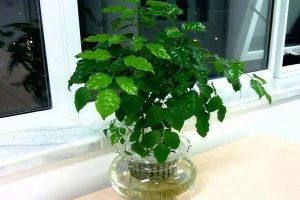
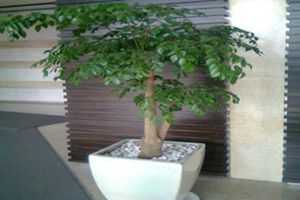
One thing to note is that although happiness grass and happiness tree have similar names, they are completely different plants. Happiness tree is a woody foliage plant, while happiness grass is herbaceous, and their care methods also differ, so pay attention to telling them apart when buying. In addition, cut flowers and filler greenery have at times been sold on the market under a similar name, so when purchasing it is best to first confirm the specific plant species and then care for it according to its corresponding habits, so that it can be kept for a long time.
Related Reading