A Complete Guide to Growing and Caring for Dianthus
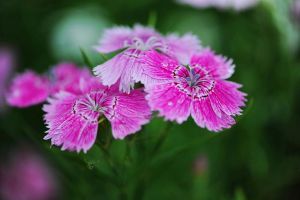
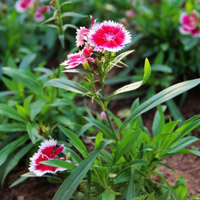
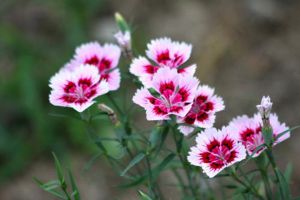
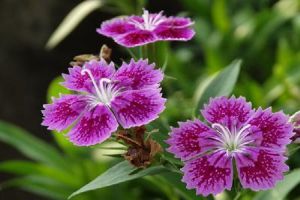
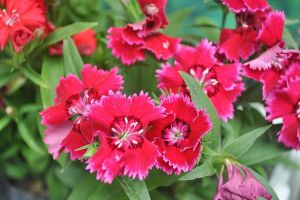
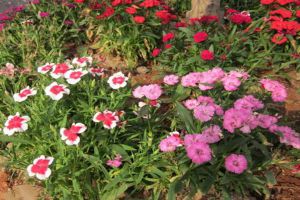
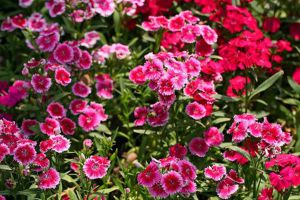
Dianthus is a perennial herbaceous flower of the genus Dianthus in the family Caryophyllaceae, and in production it is often grown as an annual or biennial. The plant is not tall, with upright, jointed stems and slender, linear-lanceolate leaves. The flowers are borne at the tips of the stems, and the petal edges often carry fine serrations. Flower colors include red, pink, white and various bicolors, and when in full bloom the flowers are dense and the ornamental period is fairly long.
The genus Dianthus contains quite a few species, the common ones being Dianthus barbatus (sweet William), Dianthus plumarius (cottage pink) and Dianthus superbus (fringed pink), while the familiar carnation also belongs to the genus Dianthus, in the group known as Dianthus caryophyllus. Different cultivars differ slightly in plant form, flower shape and cold hardiness, so you can choose according to use: low, compact cultivars suit flower beds and borders, while potted plants mostly use types with large, brightly colored flowers.
As for care, Dianthus likes a sunny, cool and dry environment, has good cold tolerance, and fears waterlogging above all. For planting, choose loose, fertile, well-drained soil, water according to the principle of watering when dry and letting it dry out between waterings, and pay attention to drainage in the rainy season. Before and after flowering, you can add a suitable supplement of phosphorus and potassium fertilizer, and promptly cut off spent flowers after blooming to reduce nutrient consumption and encourage later flowering. If the leaves turn yellow and wither, it is usually related to overwatering, poor ventilation or a lack of fertilizer, and you need to identify the cause before adjusting your care.
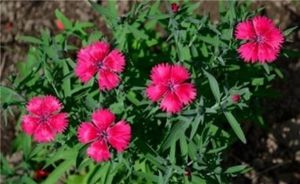
Dianthus has rich flower colors and is easy to manage, and is often used for edging flower beds and borders, or grown in pots to accent balconies and windowsills. When transplanting, it is best to keep soil around the roots, choose cool weather to do it, and water thoroughly after planting to help the plants recover, which gives a higher survival rate. Overall, Dianthus is a traditional flower that is both easy to grow and attractive, and even beginners can handle it with ease.
Related Reading