What to Do When Dianthus Leaves Turn Yellow? Causes and Solutions
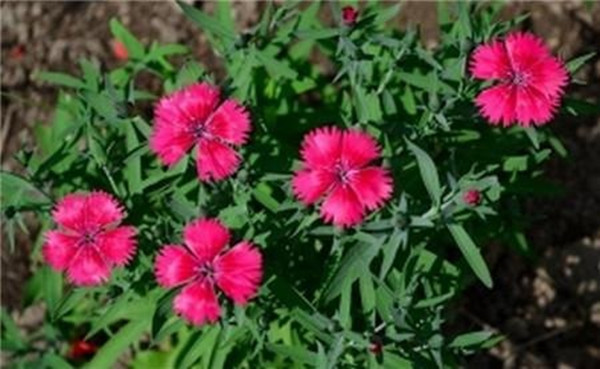
I. Causes and Solutions
The reasons for this flower's yellow leaves may be many, such as improper temperature and humidity, insufficient sunlight, unsuitable soil pH, and so on.
It is a perennial and can generally be grown for one to two years. If planted in pots, the growing medium must be prepared well, with two to three plants per pot. When they grow to 15 cm, remove the top buds, otherwise many side branches will grow and waste nutrients, and the flowers will be small.
During its growth period, place it in an area with light and air movement. The soil in the pot should be moist, and fertilizer should be added about once every ten days. In the rainy summer season, drain it and loosen the soil frequently. Before flowering, remove some of the buds at the bottom so the ones at the top can grow well. In winter, do not water too much; it is best to keep it at 5 to 8°C, which helps flowering the following year. As long as these things are done, the leaves will gradually recover and the plant will grow very well.
II. Daily Care
1. When watering it, water thoroughly in one go, then wait a few days to see how it is growing before adding more water. Once it has survived, there is no need to water it; when watering other green plants, do not think you also need to water it.
2. If it is not planted in a pot, water it frequently before it becomes established, keeping the soil constantly moist with sufficient water. Once it has survived, stop watering as well. Summers are hot and water evaporates quickly, so it is best to water it in the morning.
3. If the soil is not very fertile, or you want it to grow faster, you can add some chemical fertilizer. The amount does not need to be large; dilute it with plenty of water and water it as if it were water.
4. This green plant has relatively strong cold resistance, likes light, and can withstand drought. It cannot be watered heavily, and a lot of standing water must not remain in the soil, so plant it in soil that drains and breathes well, which makes it easier to care for. If its leaves turn yellow, first check these aspects, then watch for pest or disease damage. Generally, it can recover.